How can active outdoor play build a better planet?
With its 2025 position statement on active outdoor play, Outdoor Play Canada envisions a world in which play builds healthier, more resilient communities, integrates inclusivity and equity, and addresses global challenges such as climate change.
The document, released this week, builds upon OPC’s 2015 position statement. The updated statement was informed by 12 systematic reviews, six global region reviews, an environmental scan, and consultations with more than 200 global experts.
In its statement, OPC says active outdoor play:
- Helps us move more, play longer, and sleep better
- Is a catalyst for sustaining health and well-being
- Promotes confidence, naturally
- Offers a pathway to a happier, healthier planet
- Builds climate resilience and stewardship for a sustainable future
- Connects communities
- Facilitates diverse learning opportunities
- Can reduce excessive indoor time
Active outdoor play promotes holistic health and well-being for people of all ages, communities, and environments, and for our entire planet. It is critical given the multiple global challenges we face today… Together, as a collective of the outdoor play sector, we recommend increasing opportunities for active outdoor play in all settings where people live, learn, work, and play.”
-OPC 2025 position statement
The statement includes recommendations to promote active outdoor play across sectors and organizations, from researchers, governments, and urban planning to healthcare, communities, families, and schools.
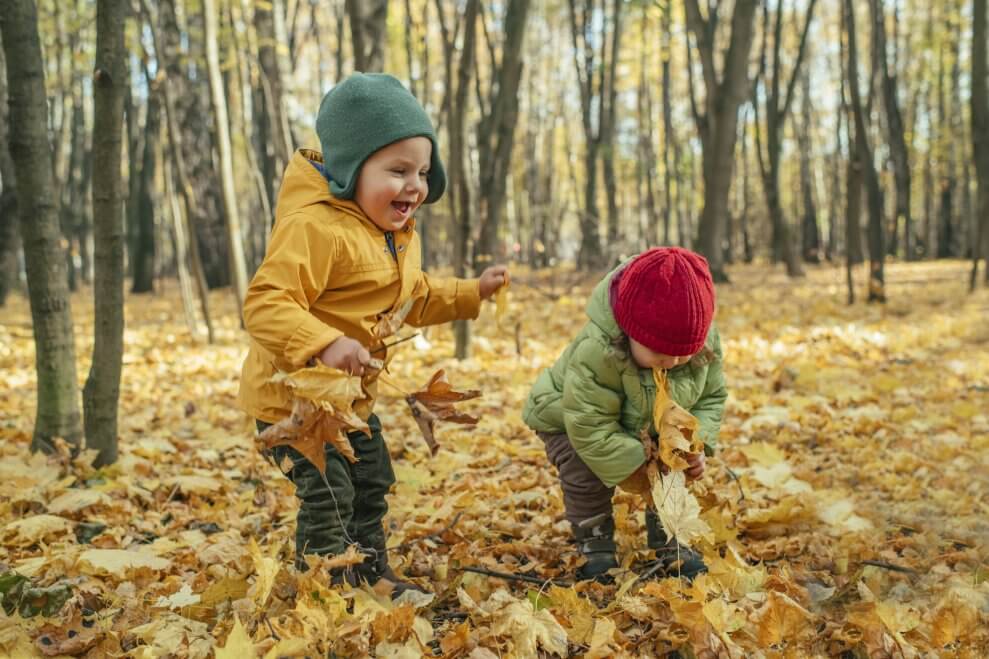
What can families do to promote active outdoor play?
- Play with others, including companion animals, to nourish a sense of community and connection to the outdoors.
- Encourage and model active outdoor play as a normative behavior in your neighbourhood.
- Support family members’ participation in active outdoor play by encouraging, facilitating, and engaging together.
What about in schools?
- Encourage colleges, adult education centres, and community learning centres to integrate ongoing professional development related to active outdoor play and learning into programs.
- Require daily active outdoor playtime in early childhood education and K-12 school policies. Integrate outdoor classrooms and nature-based learning into education systems.
The position statement also identifies areas to expand the possibilities of outdoor play, such as:
- Could risky outdoor play be a key ingredient for academic growth?
- What does active outdoor play look like around the world?
- How do we design cities that invite play at every turn?
- With rising concerns about screen time, anxiety, and loneliness, could active outdoor play be a powerful antidote to the adverse effects of social media use?
Read the position statement, and the recommendations, in multiple languages here.