
Why the rise of women’s sports is a win for every family
A few weeks ago, my daughter was sitting on the couch scrolling through sports reels on her phone. One minute, it was a clip from the PWHL playoffs. Then it was Caitlin Clark hitting another three-pointer from across the court. A few swipes later, she was watching a women’s soccer highlight.
She looked at me, held up her phone, and said, “Did you see this?”
I hadn’t. But what struck me wasn’t the soccer, it was how normal this all seemed.
A few years ago, almost every athlete on her screen would have been a man. Not because women weren’t competing at the highest level, but because they simply weren’t as visible. Men’s games dominated TV and social media, and it was their jerseys filling sporting goods stores.
Today, things look very different.
Now my daughter follows NHL stars and PWHL players. She’s excited that Canada is getting its first WNBA team, the Toronto Tempo, and talks about female athletes the same way previous generations talked about their favourite male players.
As her mom, I’ve realized this is about much more than professional sports. It’s about what kids think is possible.
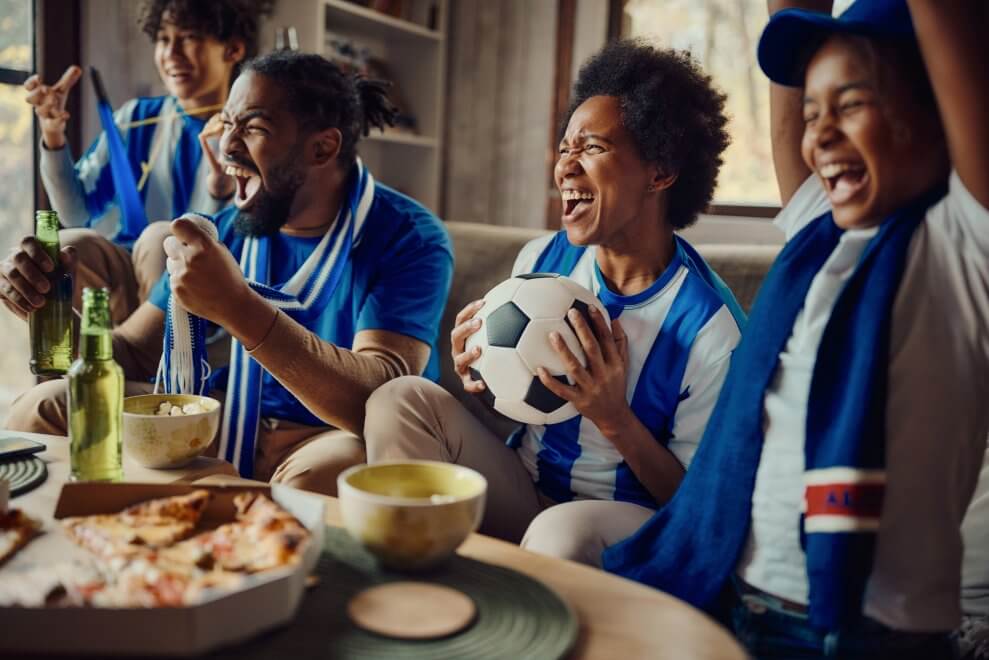
Kids notice more than we realize
Children are always paying attention. They notice which games are on television, which athletes their friends know, and whose jerseys other kids wear to school. Those messages shape their understanding of what belongs to whom.
When girls regularly see women competing in front of packed crowds and on national broadcasts, it sends an important signal. It makes those spaces feel a little more accessible and those dreams a little less distant.
Seeing someone who looks like you might not automatically make you sign up for hockey or basketball. But it can make your dream feel a little more achievable.
Why role models in sport matter
We know girls get so much from being active. Sports build confidence, friendships, leadership skills, resilience, and healthy habits that can last a lifetime. Yet many girls leave organized sports during their teen years, and at a much higher rate than boys. There isn’t one reason why. Sometimes confidence takes a hit. Sometimes school gets busier. Sometimes it’s social pressure. And sometimes they simply stop feeling like they belong.
Seeing women succeed in sport won’t solve every challenge. But seeing women succeed at the highest levels can help answer a question many young girls ask themselves: “Is there a place for someone like me?”
The real impact of women’s sports happens far from the spotlight
My daughter isn’t training to become a professional athlete, and chances are yours isn’t either. That’s not really the point.
Professional athletes inspire kids because they remind them what’s possible. They show what years of practice, determination, and resilience can look like. For one child, it might be watching Caitlin Clark confidently launch another long-range shot. For another, it might be seeing Marie-Philip Poulin score in a championship game.
Those moments have a way of spilling into everyday life. Suddenly there’s a basketball bouncing in the driveway after dinner. A hockey stick comes back out of the garage. A child who wasn’t sure about trying soccer decides to sign up after all.
Children are much more likely to stay active when they can picture a future version of themselves enjoying physical activity, not because they’re chasing medals, but because movement is simply part of who they are. That’s where the real magic happens, not in sold-out arenas, but in neighbourhood parks, community rinks, school gyms, and backyards.
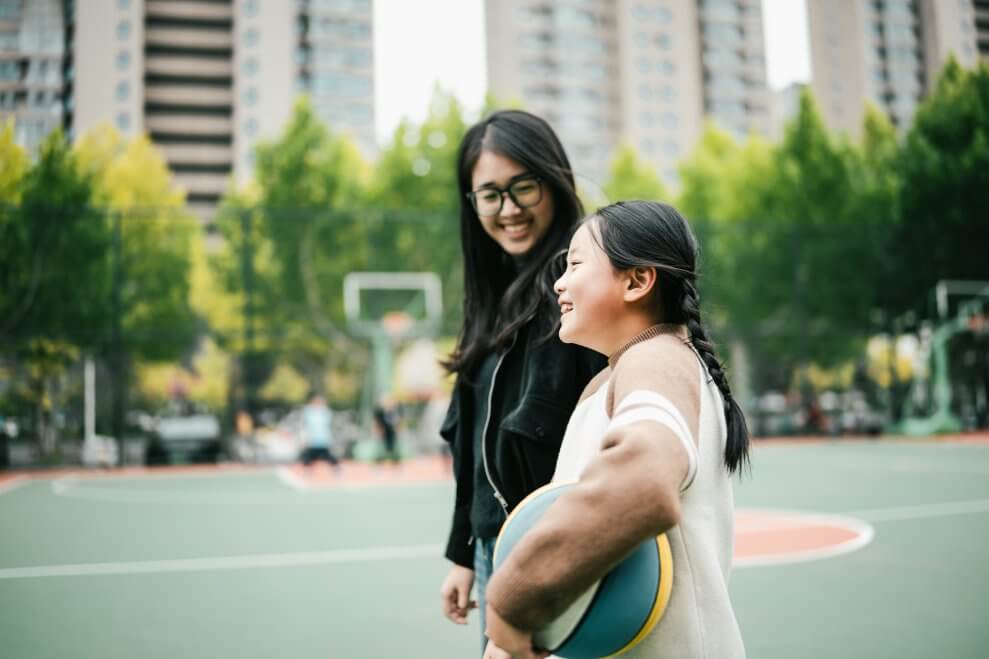
The momentum of women’s sports matters
Women’s sports are having a moment, and it’s been fun to watch.
The PWHL has packed arenas across North America. (I’ve been a season ticket-holder for the Montreal Victoire since the league began in 2023!) The Toronto Tempo will soon give Canadian basketball fans a hometown WNBA team. Women’s soccer clubs like Angel City FC have shown that communities will enthusiastically support women’s teams when they’re given the opportunity.
The benefits extend well beyond professional leagues.
As interest grows, so do opportunities for girls at every level. More families are attending games together, which leads to communities investing more money in facilities. Local clubs gain visibility. More girls sign up to play. More parents volunteer. More coaches step forward.
Success at the highest level helps strengthen the foundation underneath it.
How to support women’s sports—and girls in sport—at home
You don’t need season tickets to help this movement grow. In fact, the biggest influence on a child’s relationship with physical activity usually isn’t a professional athlete. It’s the adults in their own lives. The conversations we have, the encouragement we offer, and the experiences we create shape how our children feel about being active.
Parents and caregivers can make a huge difference by:
- attending local girls’ and women’s sporting events
- watching women’s games together as a family
- introducing children to female athletes across different sports
- celebrating effort, improvement, and teamwork—not just wins
- volunteering with community programs
- celebrating girls’ athletic achievements just as enthusiastically as boys’
These small actions tell children that sport belongs to everyone.
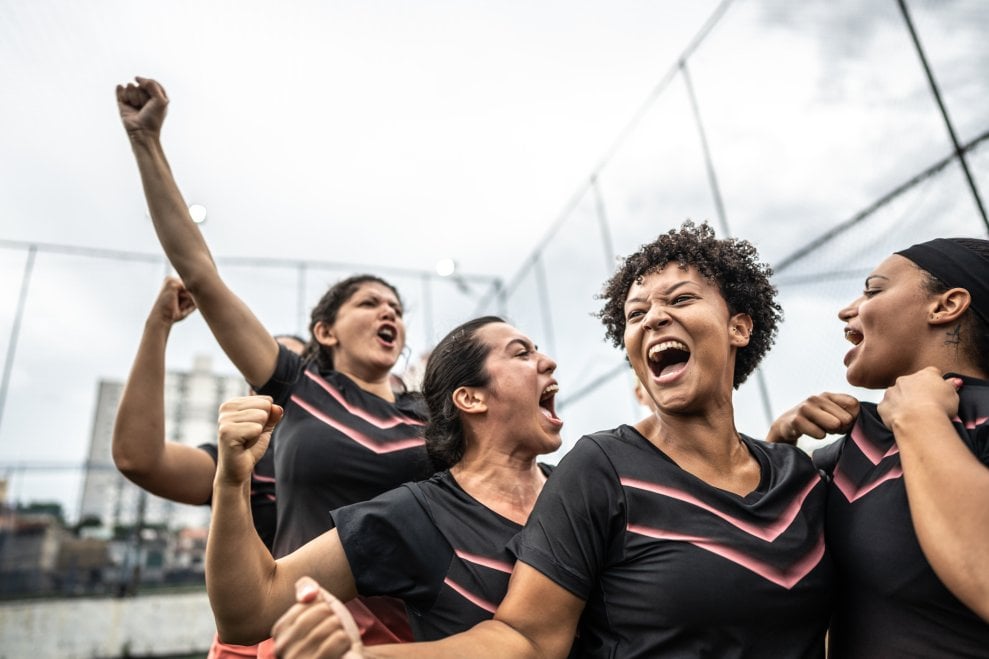
What I hope my daughter remembers about the women’s sports boom
Years from now, I doubt she’ll remember every game she watched or every athlete she followed. What I hope stays with her is something bigger. I hope she remembers growing up at a time when girls could see women filling arenas, making headlines, and being celebrated for their talent.
I hope she remembers that sport was never just about winning or making a professional team. It’s about trying something that felt hard, finding confidence you didn’t know you had, and picking yourself up after a tough game and coming back the next day.
Maybe she’ll still be playing sports years from now. Maybe she won’t. Either way, I hope she carries those lessons with her. Because not every girl will become a professional athlete, but every girl deserves to grow up believing they can.


