Sports for girls: How can I help my daughter get active and stay in sports?
Sports can play a powerful role in helping girls build confidence, develop physical skills, and stay active throughout life. Yet participation among girls often drops as they get older. Research from the Canadian government shows that by late adolescence, one in three girls leave sport, compared with about one in 10 boys. Canadian Women & Sport
Understanding why girls leave sports, and how parents, coaches, and communities can support them, has become an important priority for youth sport organizations across Canada.
Some common questions parents ask include:
- What are the best sports for girls?
- How can parents encourage girls to stay active?
- Why do so many girls quit sports as they get older?
The good news is that with the right opportunities and supportive environments, sports can become one of the most positive influences in a girl’s life.
This guide explores how parents can help girls discover sports they enjoy, why participation matters, and how families and coaches can create experiences that help girls thrive.

How do I choose the right sport for my daughter?
When parents begin exploring sports for their daughters, the most important factor is enjoyment. Children are far more likely to stay active when they feel comfortable and excited about the activity they’re participating in.
Rather than searching for a single “best” sport, it can be helpful to think about what types of activities match your child’s personality, interests, and social preferences. Some girls enjoy fast-paced team sports with lots of interaction, while others prefer individual activities where they can focus on developing their own skills.
Parents can play a valuable role in encouraging girls to try new activities and discover what they enjoy. This article offers practical advice on how parents can support their daughters in sports.
Encouraging girls to stay active often begins at home. Small steps—like making physical activity part of daily routines—can help girls develop positive attitudes toward movement.
Many families also wonder whether sports should be organized by gender. Some youth programs include mixed-gender teams, which can create inclusive environments and expand opportunities for participation.
Allowing girls to explore different sports and activities gives them time to discover what they truly enjoy.

The benefits of sports for girls
Sports offer far more than physical fitness. Participating in sports can support girls’ development in ways that influence their confidence, relationships, and long-term health.
Girls who participate in sports often develop strong leadership skills and resilience. They learn how to work with teammates, set goals, and overcome challenges.
Benefits of sports for girls include:
- Improved physical literacy, coordination, and strength
- Increased confidence and self-esteem
- Stronger social skills and teamwork
- Better stress management and mental well-being
- A healthier relationship with physical activity
Sports also contribute to physical health. Regular physical activity helps strengthen bones and muscles, improve cardiovascular fitness, and support mental well-being. At the same time, it’s important to recognize that girls may face unique health considerations related to sport participation.
Team sports can be especially valuable for girls because they provide opportunities to build friendships and develop social skills. Research suggests that girls often thrive in supportive team environments.
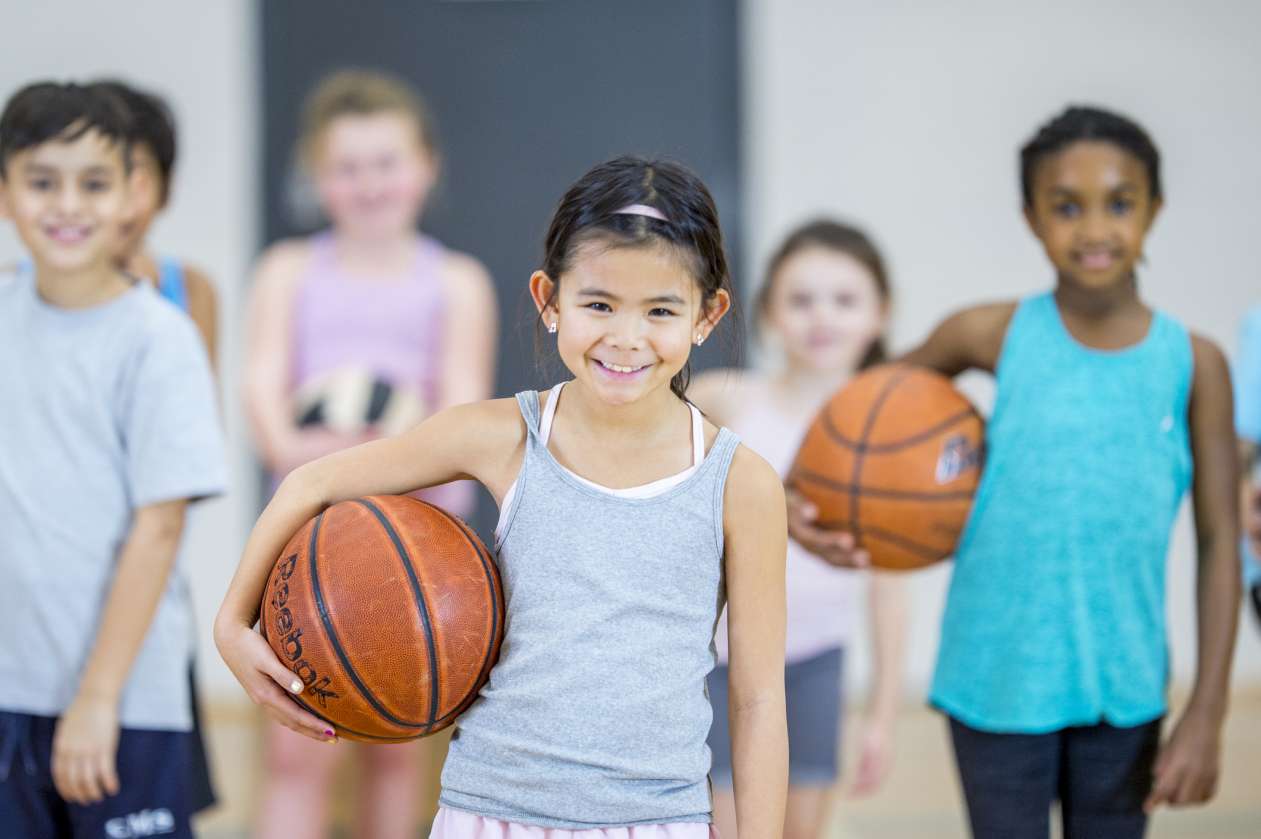
Why do many girls quit sports?
Despite the benefits of sports participation, many girls stop playing sports during adolescence.
There are many reasons why girls leave sports, including social pressures, lack of confidence, and negative sport experiences. Understanding these factors can help parents and coaches create environments that keep girls engaged.
Common reasons girls quit sports include:
- Pressure to perform or specialize too early
- Lack of fun or enjoyment
- Negative coaching experiences
- Feeling judged, excluded, or unsafe
- Body image concerns and loss of confidence
Research and initiatives focused on increasing girls’ participation highlight the importance of creating inclusive, supportive sports environments. Parents and coaches can also take proactive steps to encourage girls to continue participating in sports.
This guide outlines several strategies that help girls stay involved in sports longer: Keeping Girls in Sport.
Supporting girls through these challenges can help them maintain positive experiences in sports and continue participating as they grow.

Coaching girl athletes: Research on positive experiences
Coaches play an important role in shaping girls’ relationships to sports.
Positive coaching environments help girls feel confident, supported, and motivated to continue participating. Research suggests that coaching approaches that emphasize encouragement, learning, and teamwork are particularly effective for girls.
Effective coaching for girls includes:
- Focusing on effort and improvement
- Creating emotionally safe environments
- Encouraging teamwork and communication
- Balancing challenge with support
Coaching can also influence how girls develop friendships and social relationships within sports. Supportive environments can strengthen communication, trust, and teamwork among athletes.
Team environments that prioritize collaboration and mutual support can also contribute to positive sport experiences and a successful team environment for girls.

Role models and the future of girls in sport
Role models can have a powerful influence on girls’ participation in sports.
When girls see women succeeding in athletics, they gain examples of what’s possible through dedication and hard work.
The growing visibility of professional women’s sports is helping inspire a new generation of athletes. The Women’s sports make good business sense article explores why the growth of women’s professional sports matters for the future of girls’ participation:.
Research on girls’ participation in sports also highlights the importance of continued investment in programs that support girls’ involvement in athletics. Parents can play a central role by encouraging their daughters to explore sports and supporting them through both successes and challenges.
With supportive environments and strong role models, girls can develop the confidence and skills that help them stay active for life.

Supporting Articles
- I took my daughters to watch a sold-out professional women’s hockey game. It was incredible
- Pro women’s sports make business sense. But will we invest in them?
- 7 tips for parents with daughters in sports
- Wrestling the sisterhood: Olympic gold medalist Carol Huynh on inclusion and camaraderie
- Do girls feel safe and supported in sports?
Building confidence in girls
Confidence is developed through experience—not perfection. Sports can be a powerful environment for building confidence in both non-athletic and athletic girls when emphasis is placed on growth, learning, and effort.
Supporting confidence means:
- Encouraging risk-taking without fear of failure
- Reducing performance pressure
- Promoting free play and creativity
- Celebrating effort over outcomes
Confident girls are more likely to stay active and carry their self-belief into other areas of life.

Frequently asked questions about girls in sport
Are girls inherently less interested in sports than boys?
No. Research suggests that girls are just as capable of enjoying sports and physical activity as boys. However, girls often face different social, cultural, and environmental barriers that can affect participation. These may include fewer opportunities, lower confidence, gender stereotypes, or a lack of visible role models. When girls are encouraged, supported, and given positive experiences in sport, they are just as likely to develop a lifelong love of being active.
For parents looking for practical ways to encourage participation, read 10 tips for raising active girls:
https://activeforlife.com/10-tips-active-girls/
Can girls outperform boys in sports?
Athletic performance depends on many factors, including age, skill level, training, experience, and physical development. During childhood, girls and boys often compete successfully together, particularly before puberty. Individual differences are often more important than gender differences. In youth sports, the focus should be on skill development, enjoyment, teamwork, and building confidence rather than comparisons between boys and girls.
For a closer look at inclusive participation and mixed-gender competition, read My daughters preferred playing on mixed-gender sports teams over all-female ones: https://activeforlife.com/mixed-gender-sports-teams/
What are the best sports for girls?
There is no single best sport for every girl. The best sport is one that matches a child’s interests, personality, and stage of development. Some girls enjoy team sports such as soccer, basketball, or volleyball, while others prefer individual activities such as swimming, gymnastics, martial arts, or tennis. The most important factor is finding an activity that helps a girl feel confident, challenged, and excited to participate.
Parents who are trying to help their daughters find the right activity may find helpful advice in 7 tips for parents with daughters in sports:
https://activeforlife.com/daughters-in-sports/
Why do girls quit sports more often than boys?
Girls may leave sports for many reasons, including social pressures, lack of confidence, body image concerns, negative coaching experiences, or sports environments that no longer feel fun or welcoming. Research shows that enjoyment, belonging, supportive coaches, and positive peer relationships are among the strongest factors that help girls stay involved in sports over time.
Learn more about the factors influencing participation in Why do more girls quit sports than boys? and This course is committed to keeping girls in sport:
How can parents help girls stay active and involved in sports?
Parents play a powerful role in shaping their child’s experience in sport. Encouraging effort rather than results, supporting a variety of activities, celebrating improvement, and helping girls find positive coaches and teammates can all increase long-term participation. Girls are more likely to stay active when sports feel enjoyable, supportive, and rewarding rather than focused solely on competition or performance.
For more strategies, see 6 secrets to raising confident and active girls:
https://activeforlife.com/raise-confident-active-girls/
You can also explore research on creating positive sport environments in Coaching girls in sport: What the research says:
https://activeforlife.com/coaching-girls-in-sport-research/