How to raise an Olympian: Guidance for sports parents
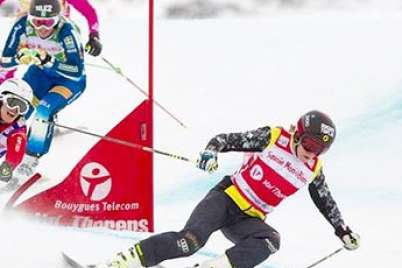
With every Olympics, we hear compelling stories of the athletes’ journeys since childhood. They speak of the challenges of training and competition, the injuries that threatened to stop them in their stride, and—importantly—the parents who supported them through it all.
For many parents, this may raise the question: Could our own child be a potential Olympian? If they show interest in a sport or activity, should we be doing something extra to encourage them?
It starts with physical literacy
If we imagine at least giving our children a chance of becoming Olympians, the best parenting advice is to start at the beginning. Every Olympian started by developing basic physical literacy during childhood. In simplest terms, this means developing the fundamental movement skills, self-confidence, and love of movement to be physically active for life.
Parents have an important role in this. By giving our children the right opportunities in active play and physical activity when they’re small, they will naturally begin to develop basic physical literacy.
Promote the ABCs
In the preschool years, we should start by creating opportunities and environments that encourage our children to explore active free play. We should allow them to choose and direct their play as much as possible, whether it’s climbing trees and swinging on monkey bars or inventing their own rules for a game with a ball. This type of unstructured play helps them to develop the ABCs of physical literacy: agility, balance, coordination, and speed.
All four capacities are essential for the development of physical literacy. If we do our best to ensure that our kids are running and skipping and jumping and climbing and swinging, they will naturally develop the ABCs.
Encourage the fundamentals
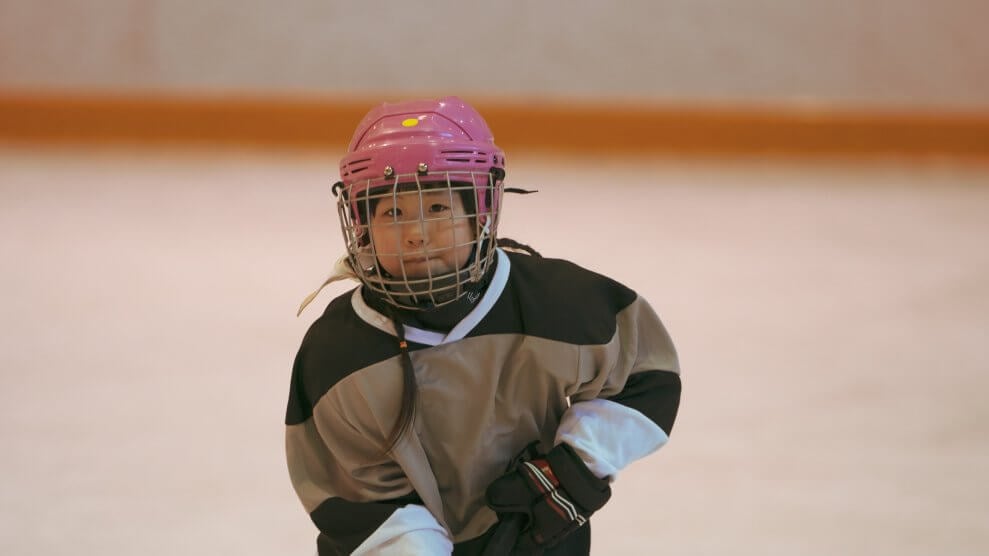
As our children pass through their elementary school years, it’s time for them to learn fundamental movement skills. There are dozens of fundamental movement skills. Running, jumping, throwing, kicking and catching are some of the most obvious.
Fundamental movement skills are important because they’re the building blocks for more sophisticated physical activity and sport. String a few together and suddenly you’re playing baseball, or soccer, or tennis, or practicing taekwondo, or dancing on stage.
As our children gain confidence in the basic movement skills, we can make sure they are slowly introduced to more structured programs in physical activity and sport where they have more opportunities to develop more fundamental movement skills. With a good mix of activities, our children will have developed enough fundamental movement skills and confidence by the time they’re 11-12 years old to be called physically literate.
Specializing—at the right time—can bring success
As their physical literacy advances, and they start to demonstrate glimmers of talent in a particular sport or activity, our children may be presented with the chance to pursue a high-performance pathway. If they dream of becoming an Olympic hockey player or figure skater, we probably want to support that choice.
The catch: when should they be allowed to start specializing in their preferred sport or activity so they have the best chance to become a leading competitor one day?
All too often, in most sports, children are pushed to specialize too early. Too many coaches and parents push them to focus on one sport long before high school in the belief that they will “miss out” if they don’t. The thinking is that they need to get ahead early by putting in extra hours, even to the exclusion of other sports, school events, and social activities. This can lead to overuse injuries and mental and emotional burnout.
Take the long view
If our kids choose a high-performance sport program in their teens, we should support them by taking the long view on every aspect of their growth and development—physical, mental, emotional, and social. This is the approach taken in Long-Term Athlete Development (LTAD).
The LTAD approach gives careful consideration to what is developmentally appropriate training and competition for children and youth at each age and stage of physical, mental, emotional and social development.
One of the most important premises of the LTAD model is that children should not be training and competing like adults. Why? Because the physical, mental, and emotional capacities of children and adults are vastly different. What is suitable for adults is generally unsuitable for children due to obvious differences in musculoskeletal, cognitive, emotional, and social development.
Another key premise of LTAD is that parents and coaches should not obsess over short-term competition results for teen athletes. Instead the focus should be on good coaching and competition formats that promote long-term development of the skills and mental and emotional attitudes that will be needed later when winning really starts to matter.
Do genetics play a role?
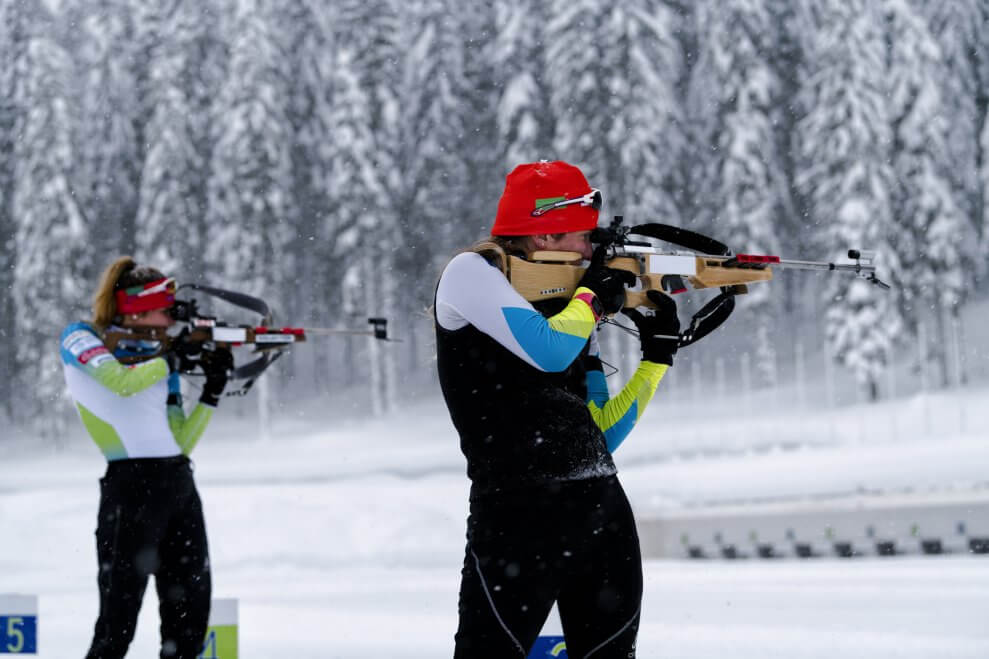
Genetics can be an awkward topic in sports, and in life in general. Do kids need special genetics to become Olympians? The answer is complicated. It’s yes, no, kind of sort of, and it depends.
In his 2012 New York Times-bestselling book The Sports Gene, David Epstein reported on research and evidence from around the globe in relation to the role that genetics plays in sport. Is winning simply about having the right genes? Or can any kid become a world champion with enough hours of training?
An interesting but complex picture emerges. While the optimal mix of nature (genes) versus nurture (training and environment) varies between sports, the general pattern is that athletic talent is a mix of both.
We can’t control our children’s genetics, but again, we can make sure they have good coaching and programming. With that done, we can let them enjoy their experience and then see where it takes them.
Physical literacy and physical development
Beyond good coaching and quality programs, and perhaps some genetics, children’s progress in their sport or activity relies heavily on their physical development, a complex process that is often overlooked and poorly understood.
Physical development is different from physical growth. The two are closely related, but
mere physical growth over time doesn’t guarantee development.
Broadly speaking, physical development means the combination of growth, maturation, and motor skill development during childhood. It’s the integration and coordination of brain, muscles, and sensory awareness.
Depending on the quality of coaching and programming, our children may show greater or lesser development of their coordination, balance, and agility in relation to their peers over time.
Some of this will depend on the attention given to the sensitive periods of development during childhood and adolescence while they are being coached in their sport or activity. For example, research suggests there are sensitive periods for the development of physical capacities such as stamina and strength. This means that done at the right times, active “training” of these capacities produces better results. Prior to these times, it does very little.
The best route to the Olympics: Don’t worry, be happy
There are a multitude of factors that determine whether our children will ever compete at the Olympics. Rather than pushing our children to specialize early, or otherwise turning their play and physical activity into joyless work, we should direct our attention to making sure that they simply enjoy their activity through good coaching and programming.
If we do this, we can trust that the natural process of development that follows will take them where they need to go. That might be the Olympics, or it might not. But we can be confident that they will have built the right foundation for themselves in sport and activity, and that’s the best way any parent can support their child.