
Empathy: Why it’s a superpower for athletes and parents
Wayne Gretzky is famous for not following the puck, and instead skating to where it’s going to be. This winning strategy is empathy in action. Gretzky harnessed his empathy to figure out what players on his team, and on the opposing team, were thinking, feeling, and, most importantly, intending.
Empathy is often described as “walking in someone else’s shoes.” It’s an innate capacity we have to see the world through someone else’s eyes and even to feel their pain. In Gretzky’s case, he skated in other players’ skates, a superpower that almost made it seem like he could predict the future.
Babies are born wired for empathy. It’s critical for a child’s survival, because they need to figure out what the adults around them are thinking, feeling, and intending and modify their conduct accordingly. If athletes don’t become professional athletes, empathy is still a superpower sought after in the workplace and in leadership positions.
In fact, research has shown just how important empathy is as a leadership skill. All of us can imagine what a superpower it is to know what a client, customer base, or employee is thinking, feeling, and intending. Just imagine the extent to which empathy is a marketer’s superpower.
What is empathic coaching?
Coach and teacher John Wooden is one of the most recognized masters of empathic coaching and attaining repeat championships. He would meet athletes on their level, speak their language, tailor his advice based on what he magically seemed to know would resonate.
Wooden is what Daniel Coyle calls a “talent whisperer.” Coyle studied talent hotbeds around the globe and found that they each had three key components:
- Athlete self-belief
- Deliberate practice (that only seems worth it if the athlete believes in herself)
- Empathic coaching a.k.a. the talent whisperers
There’s a mistaken belief that we need to be tough on athletes to give them grit. This belief system can make us suppress our innate empathy. Research into resilience has shown for decades that there are three key components to building grit:
- Caring relationships
- High expectations
- Opportunities
Caring relationships is the foundation, and caring emerges from our brain’s innate empathy. It’s critical for athletes and parents to know that empathy can be strengthened or eroded. We strengthen empathy not by being tough, but by being caring. We empower empathy not by yelling, but by being whisperers. In fact, one of the best strategies for building this superpower is “empathic listening,” which I’ll discuss at the end of the article.
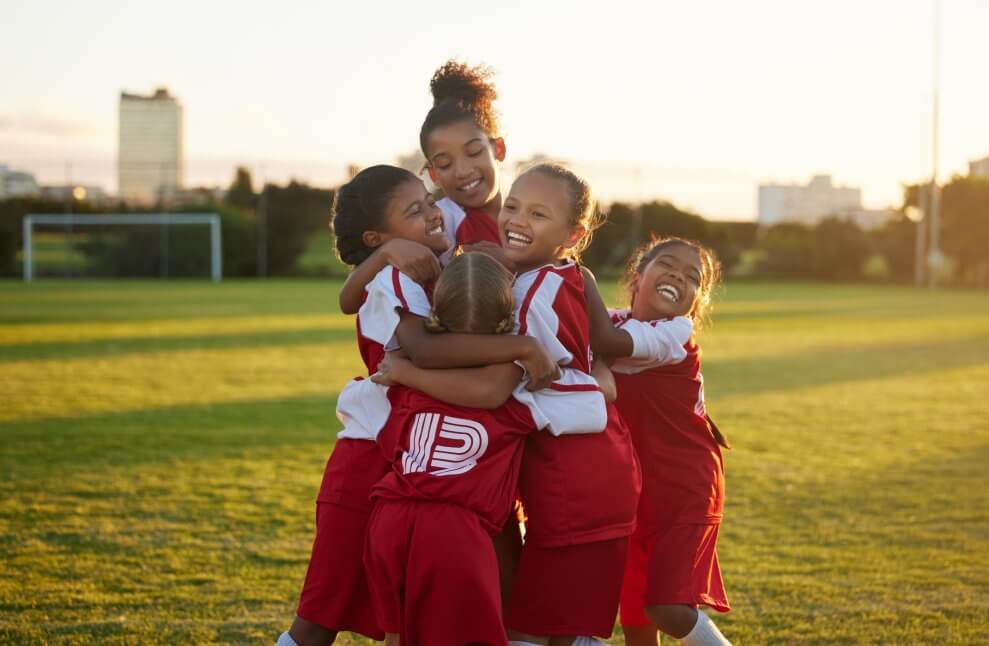
Showing empathy isn’t a bad thing—despite what some public figures think
As Julia Carrie Wong reported earlier this year in The Guardian, empathy has recently come under fire by major influencers and Christian preachers—described as a weakness. This line of thinking is odd because, from a human brain perspective, empathy is in fact a superpower for building and maintaining civilization.
In his book Empathic Civilization, economic theorist Jeremy Rifkin draws on extensive research to show the power of empathy for critical thinking (because you need to hold multiple perspectives at once), for collaboration and creativity (many minds are superior to one), and for compassion and reciprocity (we are a species wired for connection).
Research by Matthew D. Lieberman, a psychology professor, author, and director of UCLA’s Social Cognitive Neuroscience Lab, fully supports the concept of empathic civilization as our brains are wired to connect.
What does this mean for athletes and parents?
For athletes and parents, it’s important to have insight into empathy, especially at a time when it’s being misrepresented by influential figures. In her book The Empathy Effect, Harvard psychiatrist Dr. Helen Reiss cautions us not to fall for the way evolution has sculpted empathy as a superpower but also as too self-protective for our modern civilization. Reiss explains that our brains have “tribal empathy.” This is how we fall prey to unconscious bias.
Our empathy alerts us to others’ differences. More concerning, we have more empathy for people like us and may even put others who are different into an “out group”—without being consciously aware that we’re doing so. It’s far easier to demean, degrade, and even dehumanize those we put in out groups. When we practice tribal empathy, which privileges those like us and targets those who are different from us, we may cause “empathy erosion.” That can lead to what Cambridge neuroscientist Dr. Simon Baron-Cohen refers to as the “origins of cruelty” in his book The Science of Evil.
Turning empathy into a superpower in sport and in life requires being aware of unconscious biases and questioning our brain’s default to put others into the out group. We need to offer our empathy—our attention to others’ thinking, feeling, and intending—with equal measure to all people. As soon as we are unbalanced in offering empathy, we are eroding, not strengthening, our superpower.
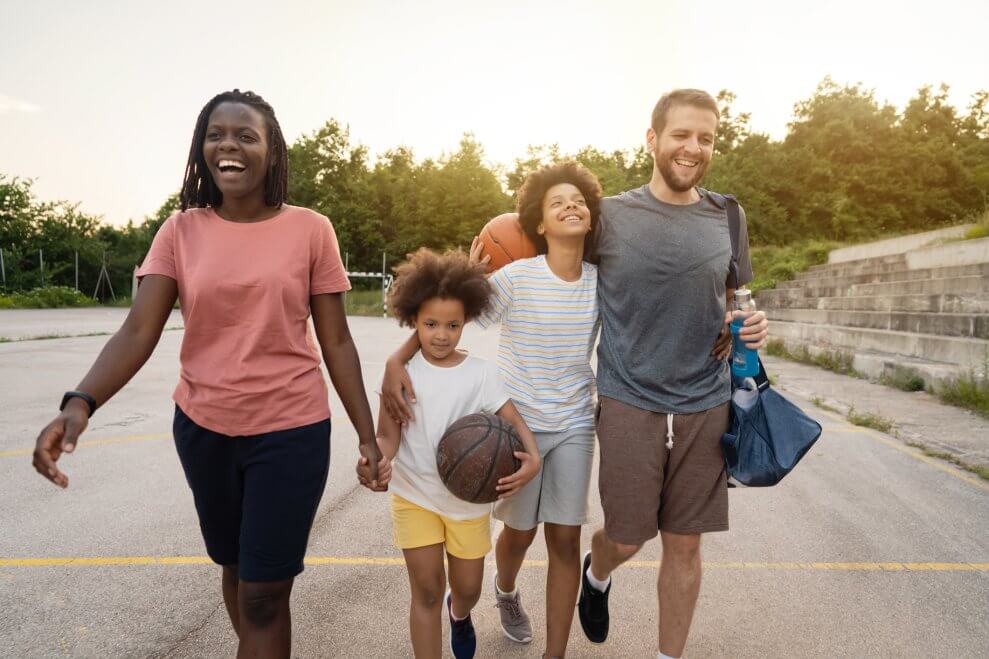
How can athletes and parents put empathy into action?
Empathic listening: An excellent practice for athletes, parents, and coaches is to try “empathic listening.” This means letting someone else speak for a minute or so. Try not to react verbally or in any visible way, such as raising your eyebrows, shrugging, or laughing. Your only goal is to listen so you can repeat back to the speaker what you heard as accurately as possible. Then they speak for another minute and you repeat back. This continues until they say “I feel heard” and you reverse roles. It’s a remarkable way to truly hear what’s going on for someone, and it’s a remarkable way to feel heard by someone else. The goal is to avoid projecting our beliefs onto others. Rather than “perspective taking,” this approach aligns with what Stanford psychology professor and author Dr. Jamil Zaki calls “perspective getting.”
Strive for compassion: One of the world’s leading empathy researchers is Tania Singer, head of the Social Neuroscience Lab at Berlin’s Max Planck Society. She explains that empathy is a way to canvas how others might be experiencing life, but we need to consciously draw on empathy as a foundation for the “neuroscience of compassion” in order to fire up and wire in the superpower. (Watch Singer’s TED Talk about this below.)
She reminds us of our brain’s neuroplasticity—its capacity to change based on practice and environment. Athletes and parents who want sport to happen in a compassionate environment that privileges kind acts, social connection, and mutual support will build civilized and powerful teams.
Practice self-empathy and self-compassion: Athletes and parents can strengthen their empathy by practicing “self-empathy” and “self-compassion.” The more we listen mindfully to our own thoughts, feelings, and intentions and act with generosity and care to our own needs for connection and kindness, the more we can extend these deeply human brain powers to others. Psychologist and author Lee-Anne Gray is an expert on this, especially when it comes to teens. And Kristin Neff, author and professor of educational psychology at University of Texas, is an expert in self-compassion for all.
The Sport Psychology Movement Institute highlights the power of empathy for athletes and parents, reminding us that it’s a superpower—not a weakness:
Coaches who show empathy can inspire athletes to give more effort, increase their confidence, and even their self-worth. Parents who are able to demonstrate high levels of empathy help their children to get past their problems faster; therefore, refocusing on the process of getting better, instead of results.”
-Sport Psychology Movement Institute


