
5 ways your organization can support families of children with disabilities
A team of Canadian researchers wants to make it easier for children of all abilities to participate in physical activity, and they’ve produced five recommendations to help move the needle.
Assisting, Informing and Motivating Physical Activity (AIMPA), a team of experts and researchers who work with community partners, has written five evidence-based recommendations, designed to help organizations promote and support physical activity for children and youth with disabilities.
The AIMPA recommendations were born out of a recognized need for more accessible and relevant information about physical activity for children with disabilities. The lack of such information has presented a barrier to participation, and it’s also been a common source of frustration among families.
By producing recommendations for organizations that work to promote, support, or deliver physical activity for children with disabilities, AIMPA’s goal is to assist these organizations in better supporting children and their families.
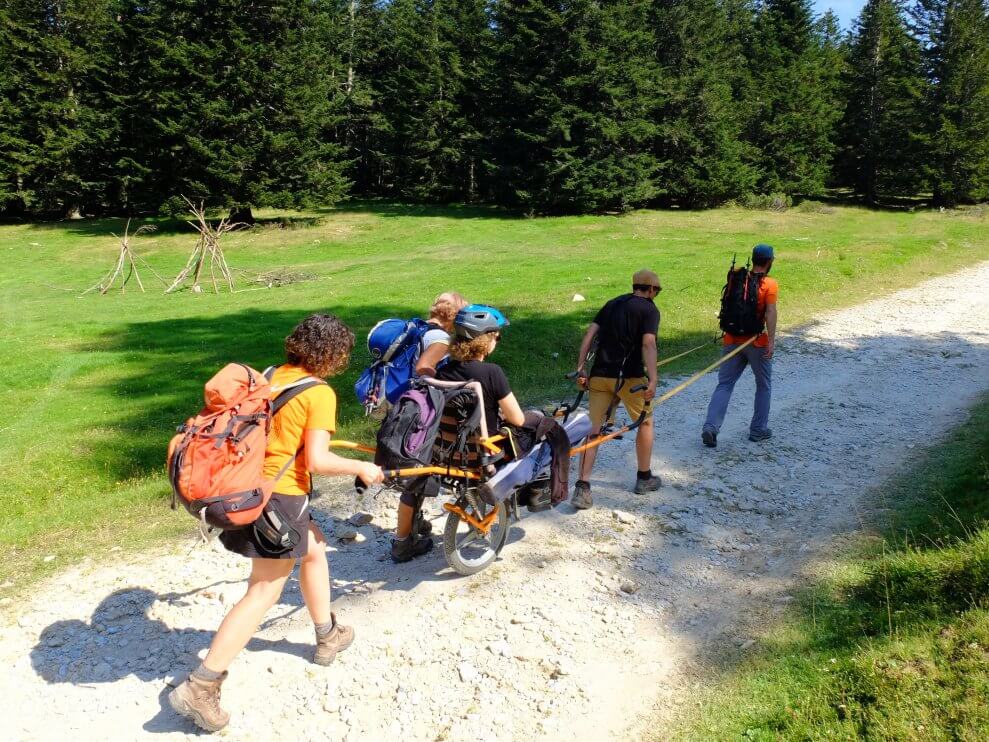
The recommendations are that organizations should provide families of children with disabilities with:
- Clear and consistent definitions of terms such as physical activity, adapted, accessible, integrated, and inclusive.
- Clear and detailed information about their physical activity programs, staff, and facilities.
- Information about the specific benefits of supporting physical activity for children with disabilities.
- Ideas, tools, and resources to support physical activity participation, goal setting, planning, and progress.
- Information regarding strategies to help address barriers to physical activity participation among children with disabilities.
The recommendations were designed to address the following questions:
- What physical activity information should organizations provide to families of children with disabilities?
- What motivational physical activity messages should organizations provide to families of children with disabilities?
- How can organizations best disseminate physical activity information to families of children with disabilities?
To develop the recommendations, AIMPA gathered evidence from scientific literature and expert consultations with researchers, families, and leaders in physical activity.
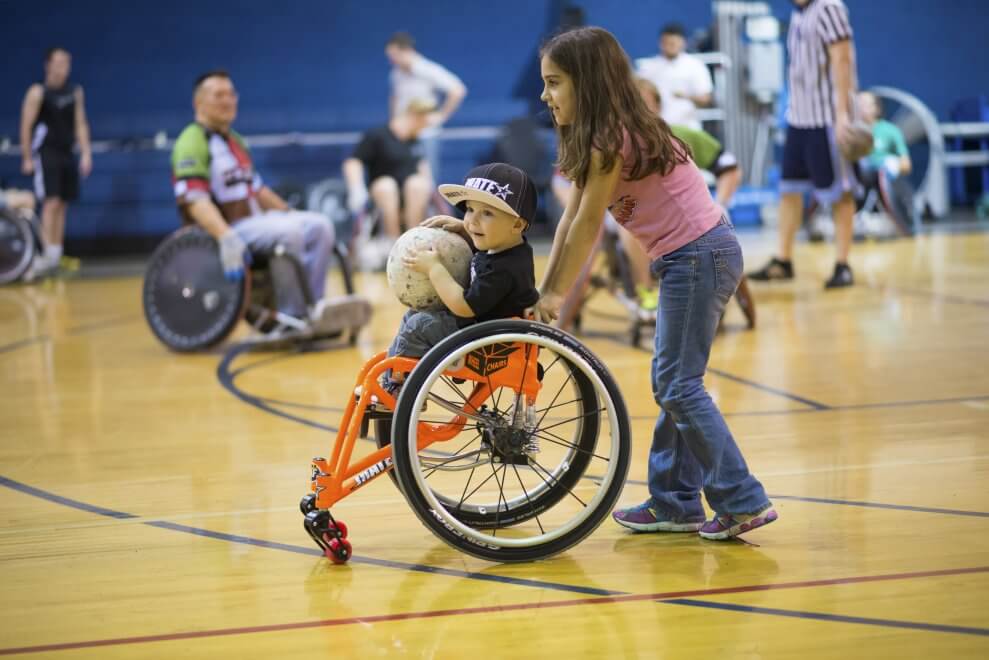
AIMPA has also produced toolkits in English and French that provide suggestions for how to put the recommendations into practice. Going forward, the team is developing further tools and resources to make it easier for organizations to implement the recommendations and support physical activity for children with disabilities.
On its website, AIMPA even offers guidelines for organizations who want to create their own resources. And, on the Canadian Disability Participation Project 2.0 website, check out helpful resources for organizations and parents seeking information.
AIMPA is supported by the Canadian Disability Participation Project 2.0, Active Living Alliance for Canadians with a Disability, and York University.
Photos: Canadian Disability Participation Project 2.0


