How parents and coaches can help kids discover the real meaning of sport
Parents and coaches have more influence on a child’s sport experience than they sometimes realize.
Kids hear what adults praise. They notice what adults complain about. They learn from the questions they’re asked after a game, how mistakes are handled, and how people talk about teammates, opponents, coaches, and referees.
That means the real lessons of sport aren’t only taught during drills or games. They’re taught on the car ride home, in the stands, on the bench, and in moments adults may not even think about.
When these moments are handled well, sport can teach sportsmanship, teamwork, respect, leadership, kindness, confidence, resilience, and fun. But those lessons don’t happen automatically just because a child puts on a jersey. They need to be noticed, reinforced, and modelled by the adults around them.
I think of those lessons as CTRL-F:
- Compete
- Teamwork
- Respect
- Leadership
- Fun
Compete means giving your best effort and being brave enough to try.
Teamwork means supporting teammates, showing up, and being reliable.
Respect matters most when things are stressful.
Leadership isn’t just wearing a letter or being the loudest voice. Every player influences the people around them.
Fun means kids want to be there, keep playing, and get something positive out of the game.
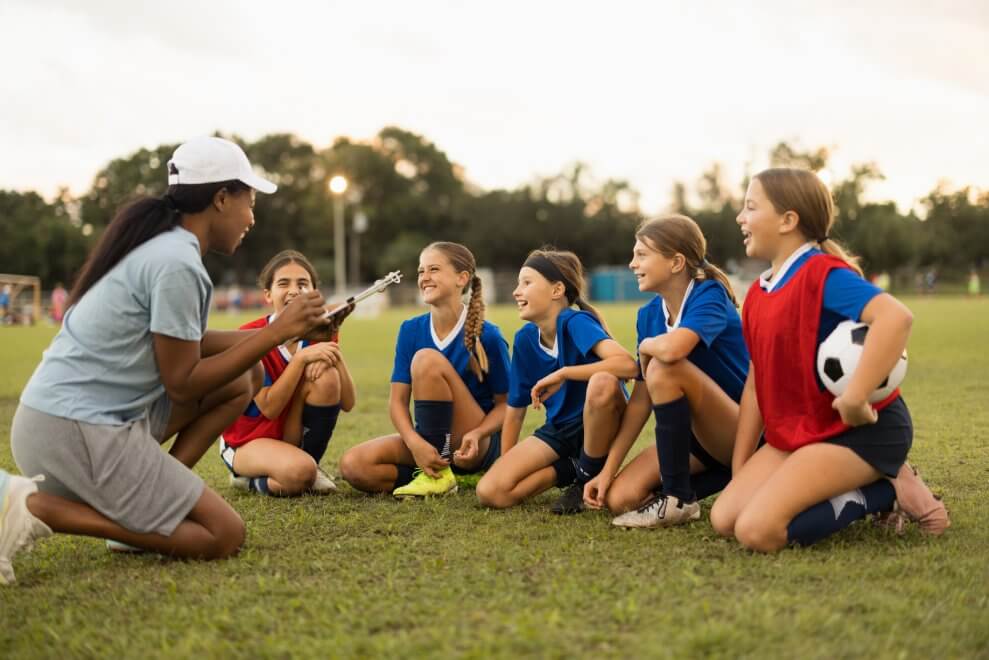
How can parents help their child learn these lessons?
Parents can be mindful about what they ask first after a game or practice. It’s easy—and common—to ask, “Did you win?” or “Did you score?”
Asking those questions isn’t wrong, but they tell kids what adults notice. A better starting point might be: Did you have fun? What did you work hard at today? Who was a good teammate? Did you encourage anyone? What did you learn?
These questions can change the conversation. They remind kids that sport is about effort, attitude, growth, and how they treat people.
Parents also model values from the stands. Kids notice how adults talk about referees, coaches, opponents, and other players. If a child hears blaming or second-guessing, they learn that sport is about excuses. If they hear respect and encouragement, they learn that you can compete hard without losing your character.
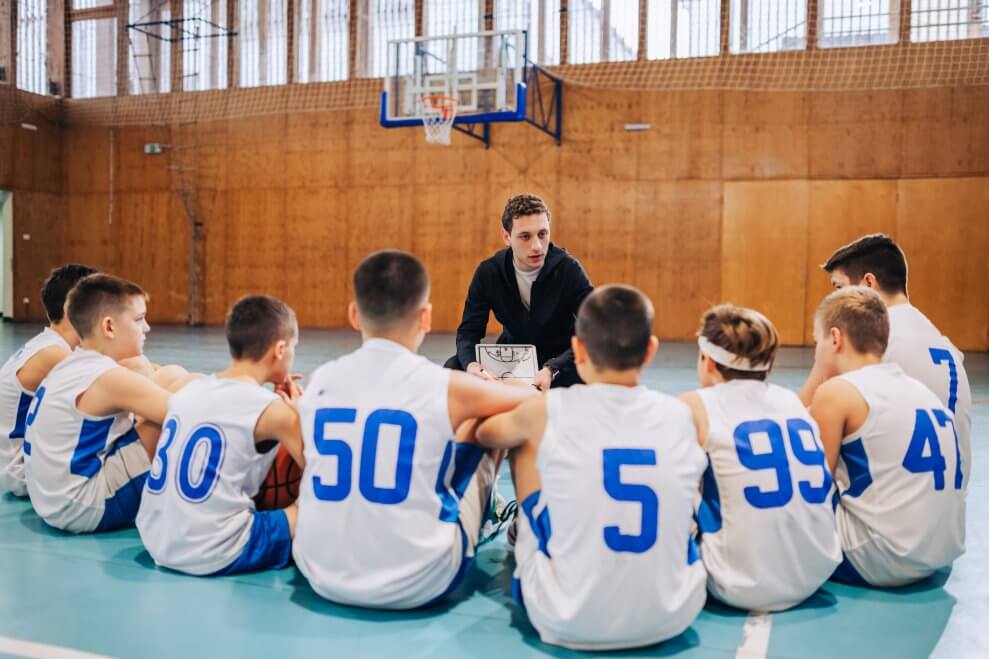
Coaches play a critical role too
Coaches have the same opportunity from the bench. A good coach teaches skills, systems, and habits. A great coach also teaches people: praise the player who worked hard away from the play. Notice the teammate who included someone new. Celebrate the athlete who tried again after a mistake. Give leadership opportunities to more than just the most talented players.
The best team cultures are built when adults are consistent about what matters.
Coaches cannot carry that responsibility alone. Parents, clubs, and sport organizations need to back coaches when they teach effort, respect, confidence, teamwork, and love of the game.
That means supporting a coach who praises the player who worked hard, not only the player who scored. It means valuing team culture, not just rankings. It means giving coaches room to develop young people, not just run practices and chase results.
Why is this so important?
Youth sport has become more complicated for a lot of families. Kids can feel pressure earlier. Parents can feel pressure to spend more, travel more, and treat every season like a step toward greater athletic potential and achievement. Coaches are often asked to balance skill development, competition, team culture, and parent expectations all at once.
In that environment, the most meaningful lessons can get crowded out.
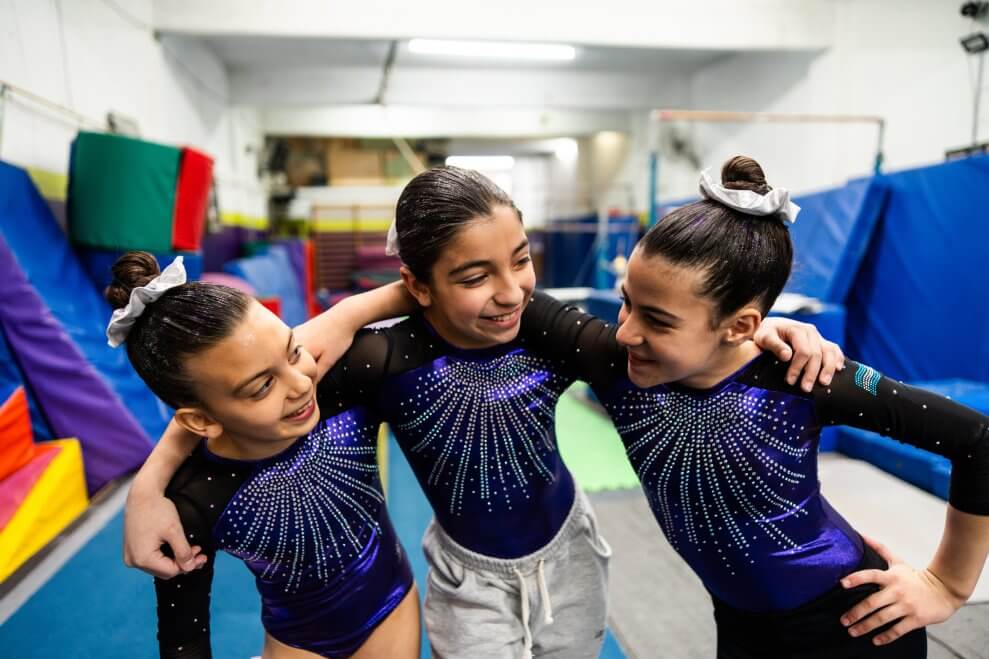
Fun is one of the lessons most worth protecting. Fun doesn’t mean there’s no discipline, effort, or competition. It means kids feel like they belong. It means they can work hard, make mistakes, laugh, improve, and come back next time wanting more.
Programs such as Coach Santa’s Mission of Kindness can help younger teams talk about those ideas in a simple, memorable way. A visit, a video, or a Caught You Being Nice Trading Card from Coach Santa can give kids language for values adults are already trying to teach.
But no program can replace what parents and coaches model every day. The car ride home matters. The team talk matters. The way adults speak in the stands matters. The way coaches respond to mistakes matters. The way a team celebrates effort, kindness, and courage matters.
When adults model the values they say they believe in, kids notice. They notice the parent who stays calm after a tough loss. They notice the coach who encourages a player after a mistake. They notice the teammate who includes someone new. They notice when effort, kindness, courage, and respect are treated like they matter.
That is where the real lessons of sport live—not only on the scoreboard and not only in the standings. They live in the way kids learn to compete, care, lead, belong, and come back wanting to play again.