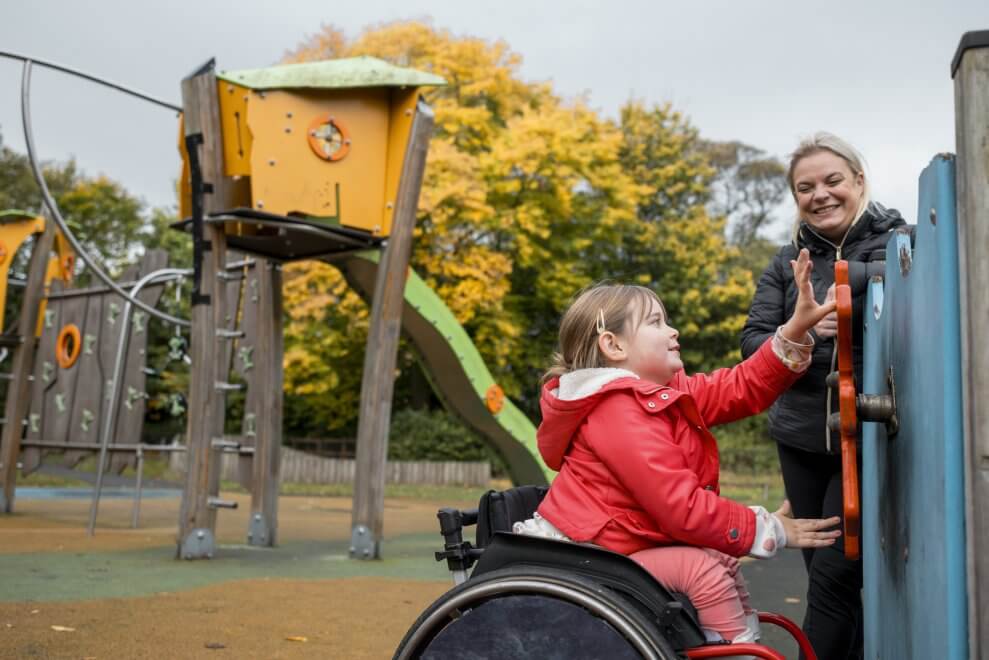

Special-needs children: 5 ways to help their physical literacy flourish
Free2BMe provides fitness opportunities for special needs children and youth

Talent development vs. talent identification: Give kids a chance
Pre-teen years should emphasize skills development for all

Relative age and developmental age: Is your child getting shortchanged?
Physical, mental, and emotional maturation of children varies greatly

4 things that should be part of every child’s hockey experience
When the game is fun for everyone, everybody wins

5 ways to keep kids playing sports
Strategies to manage a competitive-based culture
Video shows what happens when “play” becomes “practice”
Kids pay a high cost for early specialization

Specialization: What does it really mean?
Repetition of one activity to the exclusion of all others is rarely wise

These students are encouraged not to walk in the halls
How one school has encouraged activity in a creative way

Here’s what hockey’s “new normal” is made of
The direction Canadian hockey, at its highest levels, is heading
Children with poor physical literacy struggle as adults
Children who never learn to read or write become adults who can’t read or write. Should we be surprised that children who never develop movement skills become inactive, uncoordinated adults? A recent CBC story suggests that children’s movement skills and physical literacy have been in steady decline in recent years. The failure to develop their … Continued

In Québec, kids don’t play hockey games until they have the skills
The right start leads to life-long enjoyment

First steps to becoming a hockey player
Every shot, every pass, every goal begins with skating

How to support the “air traffic control system” of your child’s brain
Executive function is a set of mental skills that work like the air traffic control tower at a busy airport. It’s a key part of development in the early years.
6 ways to start your baby on the road to physical literacy
Check out our guide to fundamental movements, from grasping to walking

How to give your baby an active start
New parents have lots to think about, and long-term physical development is critical

Why relationships are so important when building a child’s brain
Interactions with caring adults are considered to be “serve and return” relationships; they’re not one-directional, but imply mutual response and activity.

7 reasons soccer is essential for kids
You might think of it as a physical literacy wonder drug

Active play experiences help young children develop physical literacy
“Active play” includes both structured and unstructured activities. Learn more about the role of play in children development.
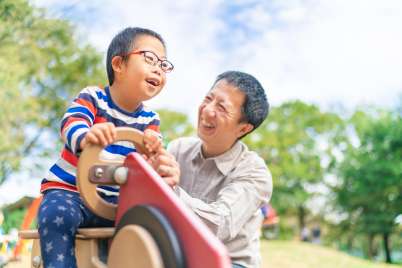
Kids with disabilities can be active for life
Activity fosters social inclusion and personal satisfaction

Why specializing early in one sport is a bad idea
Diversification is more important during a child’s first decade

How to become a freestyle mogul skier
Movement skills your child can practice to prepare them for the slopes

At what age can you start figure skating?
Learn more about figure skating for kids, what age is best for them to start in the sport, and some of the movement skills they’ll need.
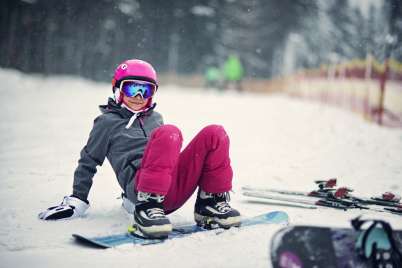
First steps to becoming a slopestyle snowboarder
Every sweet spin in the air begins by learning how to turn

10 ways raising a physically literate child is like raising a reader
Literacy and physical literacy are fundamental to the development of your kids
Load more