

Sports Day in Canada reflects national interest in physical literacy
RBC’s Learn to Play project supports physical literacy programs across Canada

10 ways to encourage your kids to love moving
Some simple ways to integrate activities into your daily routine

6 ways babies develop physical literacy
Physical literacy means your child develops a wide variety of fundamental movement skills that will support an active lifestyle and all of the physical, cognitive, emotional, and social benefits that go with it.

10 fun ways to help kids develop fundamental movement skills
Sometimes (okay, most of the time), it’s impossible to even consider adding anything else to the schedule. But these are some simple—really!—ways to add movement to your child’s day.

Margaret Whitehead on physical literacy, the term she invented
The intellectual, social, and physical development of children are intertwined
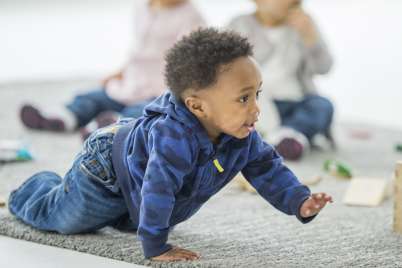
How to help your infant develop movement skills
Beyond sleeping, eating, and cognitive development, babies need to move, too

Help your infant develop movement skills: 0-3 months
Tummy time, reaching, and grasping are all skills that can be developed at this stage

Help your infant develop movement skills: 4-6 months
Rolling, crawling and climbing are common activities to encourage at this stage

Help your infant develop movement skills: 7-9 months
Help your child to develop their non-dominant hand at this age

Help your infant develop movement skills: 10-12 months
It’s time to encourage safely crawling up stairs, balance skills, and playing

Physical literacy checklists
Here are four checklists to help you target the basic movement skills that your child should be developing at different ages, including suggestions on how to get them moving.

Physical literacy checklist: 6-9 years
From gymnastics to skating, these sport skills will help your child develop physical literacy

Physical literacy checklist: 4-6 years
These fundamental movement skills will help your preschool child become physically literate

Physical literacy checklist: 2-4 years
Six fundamental movement skills that will help toddlers become physically literate

Physical literacy checklist: 0-2 years
Explore these basic fundamental movement skills to help your infant become physically literate

Study: Exercise before school improves attentiveness in class
Walking or biking to school can help kids concentrate better

If you’re raising a child athlete, think long-term
Developing physical literacy optimizes both lifelong physical activity and athlete development

9 ways to tell if your child is physically literate + free printable
Physical literacy is when kids have developed the skills, confidence, and love of movement to be active for life. Here are some simple ways you can gauge the state of your child’s physical literacy.

Why tummy time is so important for your baby
From the day your baby is born, the brain begins developing the different neural networks that build your child’s sensory awareness of the surrounding environment and their relationship to it.

3 myths about raising active and successful kids
Helping your child enjoy being active doesn’t have to be challenging, and parents and caregivers can play a big role by modelling the importance of physical activity. Here are three common myths that we want to debunk.
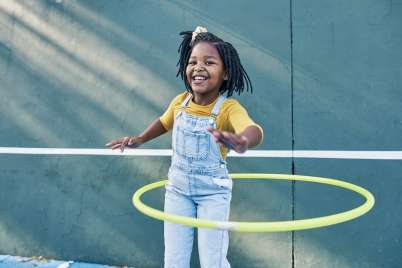
What is physical literacy? Here’s what you need to know
Physical literacy is a simple concept. Learn more about what it is and how to help your child develop it.
Load more