
Not just for kids: Why play is important for parents’ mental health
But knowing that play matters doesn’t make it easier to do—especially when you’re exhausted, overwhelmed, or struggling with your mental health.
I know this personally. Even though I specialize in the science of play, there were long stretches of my parenting life when play felt completely out of reach. This is the part of playfulness that doesn’t get talked about often enough. So let’s talk.
When my kids were little, I remember desperately wanting to “play” with them and having no capacity to do it. Watching other parents play so easily, or at least appear to, started this cycle of thinking for me:
What’s wrong with me?
Why can’t I just play?
Why does this seem so easy for everyone else?
I knew I should be playing with my kids, and at the time I thought I was a bad parent because I couldn’t.
In 2009, during a period of major depression, my psychiatrist brought my little one into the room and said gently, “Your mom has forgotten how to play.” He was trying to explain depression in a way a child could understand.
I didn’t yet have the language for how deeply true that was, or how long that sentence would stay with me. I also didn’t realize how many parents would later tell me it named something they had felt but couldn’t put into words.
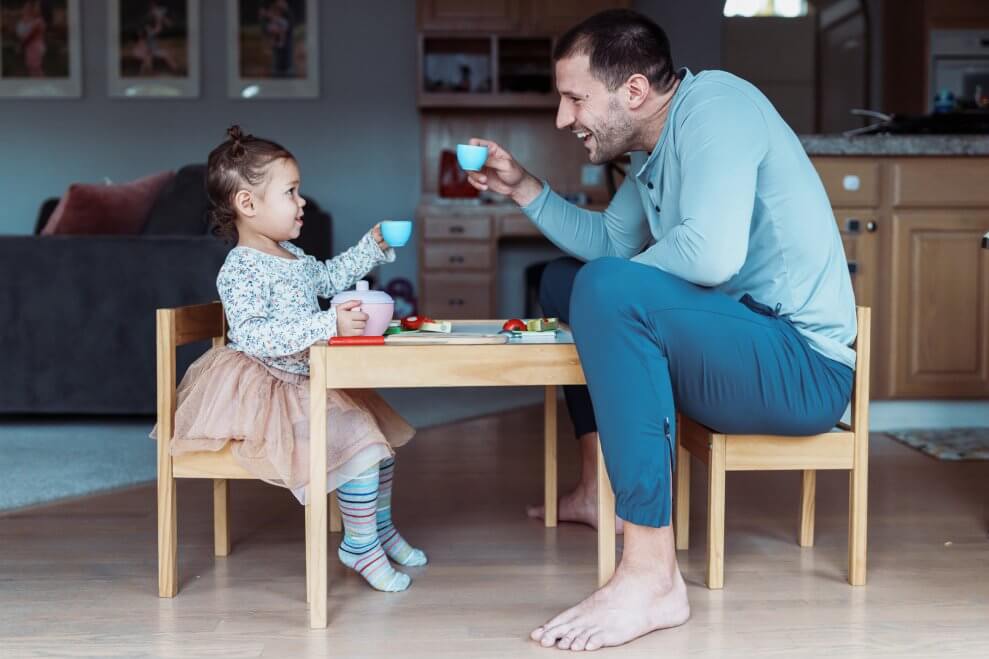
I know now that play and shame cannot exist together. I also know that our capacity for play is never gone. We are biologically driven to play throughout our lives.
As parents, we use this capacity for play every day. It shows up in how we adapt, solve problems, change direction, and find new ways forward with very little notice or resources.
Through years of study and lived experience, I’ve come to understand and study this as our Playful Intelligence™—the human capacity to adapt, stay curious, and find creative ways forward when life feels uncertain. When I couldn’t access play for myself, I didn’t just lose my joy. I also lost access to this adaptability. Things felt heavier. I felt there were very few options. Even small changes felt harder to manage.
I hadn’t stopped caring or trying. My system was depleted, and I couldn’t see that. Yet.
When poor mental health makes joy harder to reach
My experience has been that when mental health is strained, good things become harder to notice. Not because joy has disappeared, but because an overwhelmed nervous system shifts into protection mode. In that state, feelings of safety and playfulness are harder to access. And safety matters when it comes to play.
Research on how our nervous system responds to safety and threat helps explain why play becomes hard when we are overwhelmed. Feeling safe isn’t just emotional—it’s biological, and it’s connected to our nervous system’s ability to relax and explore.
When you’re constantly putting out fires or uncertain about what’s coming next, accessing your playful side can feel very difficult. High levels of parenting stress are linked to increased anxiety and difficulty regulating emotions, which can narrow focus and make it harder to feel present, connected, or capable.
Anxiety, depression, burnout, and emotional overload can change how we experience the world as parents. The jump from I feel empty to I’m in play can feel so out of reach.
This is an important place to pause and be clear: Play does not mean forced fun. In fact, if an activity isn’t voluntary, it isn’t play. Play looks different for everyone—what brings ease to one person may create anxiety for another.
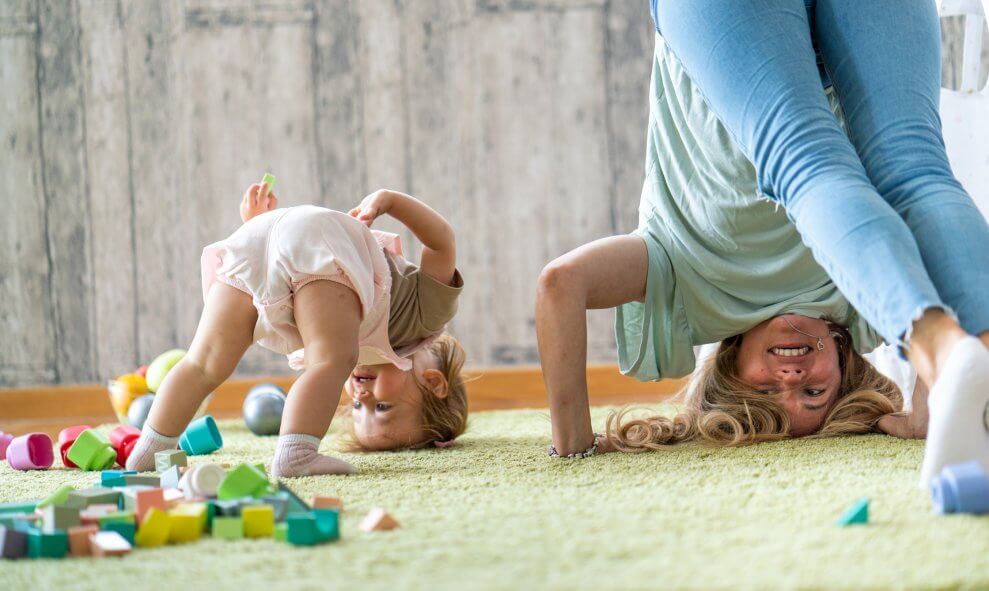
It doesn’t have to mean game nights, crafts, elaborate setups, or suddenly feeling happy. And it doesn’t mean pushing yourself to “perform” joy for your children every moment. Please take a breath and read that again.
Moving directly from survival into delight is unrealistic. For many parents, expecting that leap only creates more pressure.
Play starts with noticing, not doing
One of the most helpful reframes I share with parents is this: Play doesn’t start with activities. It starts with noticing. Before adding anything new, it helps to notice what’s already happening—in your body, in your environment, in small, unguarded moments:
- Stepping outside and feeling fresh air on your face
- That second when your breath deepens without effort
- A song on the radio that brings a smile or a memory
- Sunlight through a window
- A quiet moment when your shoulders drop just a little
These moments may seem small, but they matter more than we think.
When the nervous system is overwhelmed, noticing can feel difficult. And yet, noticing is often what helps us find our way back—not because life suddenly changes, but because our system gets a moment of relief.
This isn’t about positive thinking or pretending things are okay. It’s about paying attention to what brings even a hint of steadiness. Many parents I work with have spent so long caring for others that they’ve lost touch with what helps them feel grounded.
Over time, gently collecting these moments can shift attention and create a little more room to breathe.
Play isn’t just for children
Somewhere along the way, many adults stop believing they’re allowed to play. Play becomes something we do for our children, or alongside them, but no longer something that belongs to us. Our own needs quietly move to the background.
For some parents, the idea of finding joy outside of their children brings up an inner voice that says, If my joy doesn’t come from my kids, something is wrong with me. Wanting more is selfish.
That voice isn’t telling the truth.
Moments of relief, pleasure, and play that belong to you are not indulgent. They’re part of overall health and well-being. Parents are human beings first. Nervous systems still need rest, connection, creativity, and moments of ease. When those needs go unmet for long periods of time, everything becomes harder—including patience and presence.
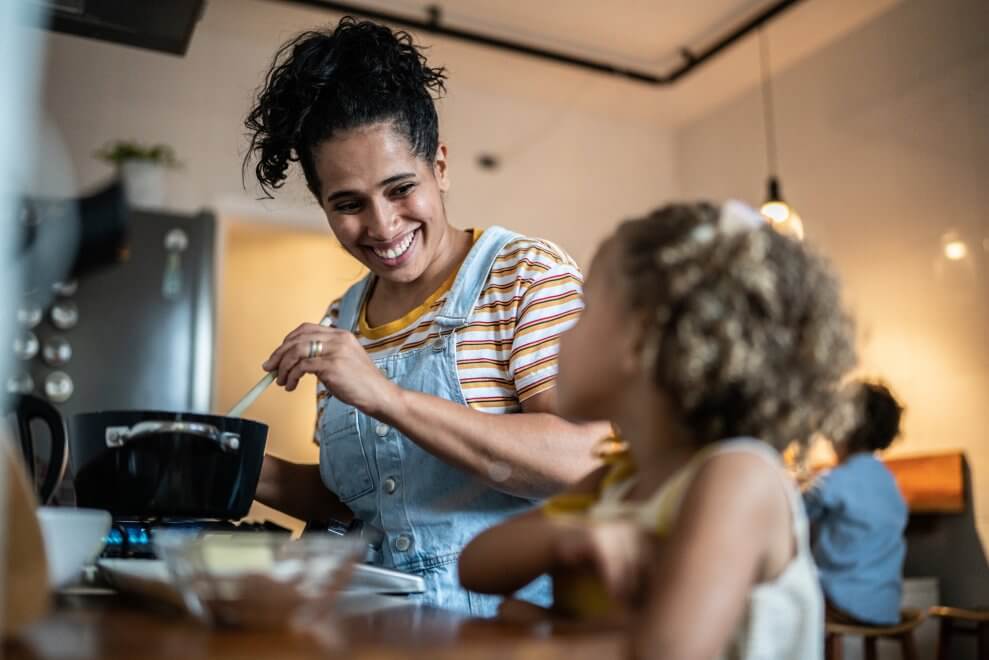
Play that belongs to you doesn’t have to look like play with your children. It might show up through movement, music, quiet creativity, learning something new, time with animals, or walking in nature.
These moments matter. They support mental health. And they help restore the capacity that parenting so often draws from.
A gentler way back to play
If play feels like pressure right now, that’s information, not judgment. It says nothing about how much you love or care for your children. It may simply be an invitation to slow down and notice.
Start small. There’s no need to create magical moments. No need to feel joyful on cue. No need to perform play. If all you can do today is notice one moment when your body feels a little more settled, that counts.
Play doesn’t disappear when life gets hard. It grows quiet. And when there’s space—even a little—it finds its way back. I’ve lived this. Be gentle with yourself. You’re not alone.
You deserve to play.


