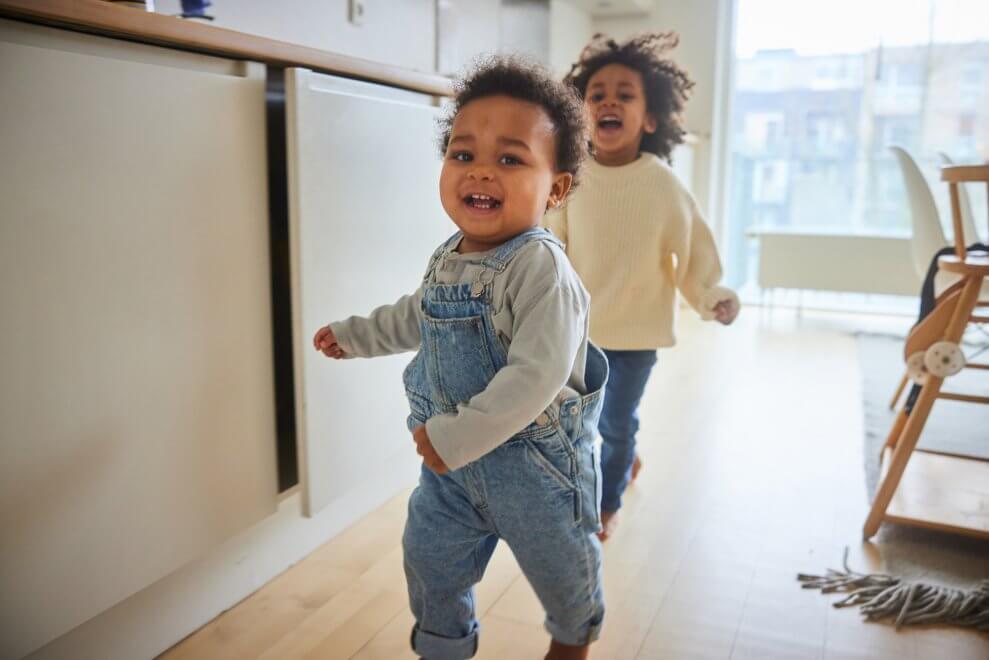

Self-regulation 101: How kids stay focused and control behaviour
Self-regulation is the ability to monitor and control our thoughts, emotions, and responses no matter what life throws at us. For parents who care about raising confident, happy children, understanding self-regulation and how to develop it is important.
Daily physical activity: 60 minutes of what?
Here’s what qualifies as suitable physical activity

Study suggests that kids suffer from too much structured activity
Why it can inhibit cognitive development

6 tips to help coaches teach parents about LTAD
Useful information for community coaches

4 steps to becoming a role model coach
Learn to grow as an individual and help others grow as well

Olympic Games DIY: Create a backyard decathlon
Creative games to help kids practice running, jumping, and throwing

Banff child care centre starts kids on physical literacy journey
A new pilot program gives children 1-5 an active start in motor skill development

Talent development vs. talent identification: Give kids a chance
Pre-teen years should emphasize skills development for all

Canucks Autism Network delivers physical literacy
Life-changing recreation, sports, and arts programs for kids

Relative age and developmental age: Is your child getting shortchanged?
Physical, mental, and emotional maturation of children varies greatly

Specialization: What does it really mean?
Repetition of one activity to the exclusion of all others is rarely wise

USA Hockey takes a page from Canada’s playbook
The key is to develop players over the long term
6 ways to start your baby on the road to physical literacy
Check out our guide to fundamental movements, from grasping to walking

How to get your child started in soccer
The right sort of exposure depends on the age of your child

7 reasons soccer is essential for kids
You might think of it as a physical literacy wonder drug

Why some kids struggle on the monkey bars
Swinging on the monkey bars requires a lot of arm strength and a strong hand grip. Here’s why some kids might struggle with them.

Can genetics predict your child’s future in sports?
‘The Sport Gene’ tries to tackle the tricky topic

Let’s Play helps kids in wheelchairs to develop physical literacy
A unique program for kids with mobility impairments

Jennifer Hedger’s young son continues his physical literacy journey
The TSN host talks about raising an active kid and her experiences at the Winter Olympics

6 ways babies develop physical literacy
Physical literacy means your child develops a wide variety of fundamental movement skills that will support an active lifestyle and all of the physical, cognitive, emotional, and social benefits that go with it.

Quiz for Dad: Are you an active role model?
Here’s an easy way to find out if you’re spending enough active time with your kids

When is my child old enough for organized sports?
Most kids often do better to wait until age six, seven or even eight

Physical literacy checklists
Here are four checklists to help you target the basic movement skills that your child should be developing at different ages, including suggestions on how to get them moving.

Physical literacy checklist: 6-9 years
From gymnastics to skating, these sport skills will help your child develop physical literacy