

How to get your kids to love being active
When kids have learned to love physical activity, it means that they’ve developed their own internal, intrinsic motivation to move.
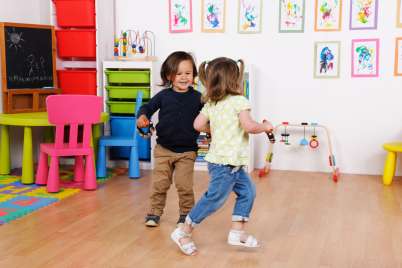
How physical literacy in childcare benefits children, parents, and ECEs
According to a Canadian study in early child care centres, the benefits of adding more active play time into daily routines are more than just physical.

The brain-building benefits of physical literacy
When children are provided more opportunities for active play, they become more motivated, confident, and competent to move. Active play and physical literacy help to build better brains.

4 tips for practicing yoga with preschoolers
Through yoga, kids learn how to find a sense of inner calm and self-esteem as well as developing flexibility, strength, and balance.

Is it time for pediatricians to prescribe physical activity?
Few kids today meet the recommended guidelines for daily physical activity. Here’s what we can do about it.
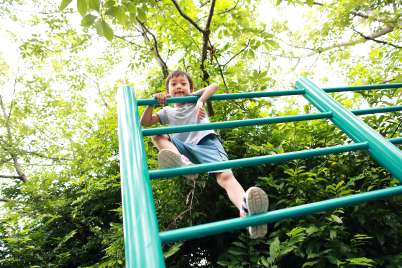
15 signs that your child is physically literate
One key indicator is showing confidence while attempting new activities

No stroller potatoes! Why babies need active play every day
It’s important that we offer babies lots of time to move their bodies freely, unrestrained by car seats, swings, or bouncy chairs. Learn why.

Why it’s important that kids develop physical literacy
New research highlights the importance of fundamental movement skills, and shows why some kids gravitate towards sedentary activities.

Movement and learning: How does that work?
Some schools and early childhood centres are using movement-based instruction to help kids learn better while promoting their development.
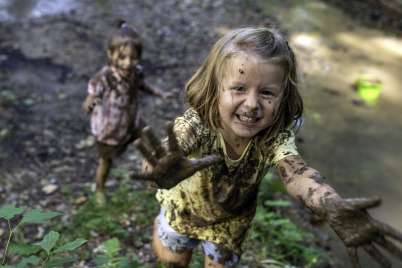
Why natural playgrounds are essential for young children
These spaces offer valuable opportunities for the development of physical literacy and for experimentation.
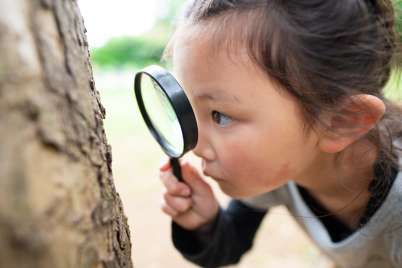
Play centres offer ideas for kids to play their own way
For many children in early-years programs, learning happens at play centres—themed play areas with a specific focus. Here’s how to create simple play centres at home.

Best of 2019: The top 10 articles of the year on Active for Life
As we move towards a new year, here are our 10 most popular articles of 2019 (plus five of our personal favourites).
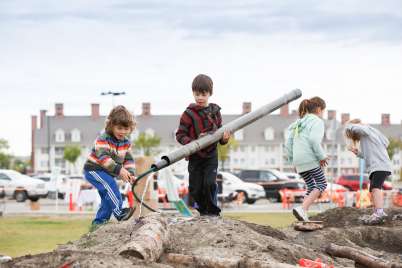
Why kids need to play with mud, tires, fire, and junk
The Vivo Play Project gives kids the opportunity to let loose, play freely, and get dirty.
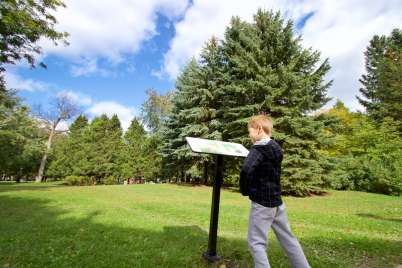
StoryWalk inspires families to get outside and read
StoryWalk combines storytelling and physical activity by placing laminated pages from picture books in public places.
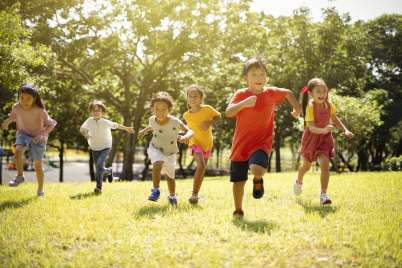
Why free play outside should be a part of every PE program
Physical education doesn’t just happen in a gymnasium. I’m a big proponent of active free play outside during physical education (PE) class. In my PE classes, I plan for quite a lot of it when the weather allows. There are so many benefits of free play outside that cannot be replicated in the gymnasium. In most … Continued

Active for Life continues to study preschool physical literacy programming
Thanks to funding from the federal government, the Early Years Physical Literacy Research Team will move on to phase two.

Are youth sports too serious?
As parents and coaches, we must make youth sports fun for kids. Tim Hortons’ latest advertisement highlights this.

APPLE Model helps early childhood educators incorporate physical literacy
The model was developed as a framework to help ECEs understand how to incorporate physical literacy into their playrooms and playgrounds.

Fight for your right to play
Casual sport and neighbourhood play are important. But as our urban centres grow, competition for our public spaces increases as well.

Coaching girls? Here are three ways to help them get more out of the game
“Any questions?” This well-meaning phrase, when posed to a group of young female athletes, often results in 10 or more hands shooting up, and you as a coach end up standing there fielding questions like you’ve just entered your own personal press conference. You may be thinking to yourself, “Well that’s just how kids are.” … Continued
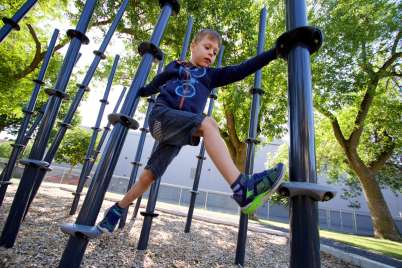
How playgrounds helped my special-needs son develop physical literacy
My youngest son, Cam, has always been full of surprises. With a flair for the dramatic, Cam decided that he would make his grand entrance into the world more than 12 weeks early. With the ensuing medical issues, including collapsed lungs, chronic lung disease, infections, viruses, heart concerns, and prolonged gastrointestinal and feeding issues, his … Continued

Documentary examines children’s independent mobility
Highlighting the scale of the decline in children’s mobility, researcher Negin Riazi points to a study conducted in England that showed a staggering drop in the number of children ages seven to eight who walked to school independently, from 80 percent in 1971 to just nine percent in 1990. According to Riazi, this scale of … Continued

Turned off by team sports? Give karate a try
When our son was five years old, he showed no interest in team sports. He would participate halfheartedly and then after the season we’d prompt him to sign up again. He’d politely say, “No, thank you.” After a frustrating T-ball season where we spent more time arguing with our son about going to T-ball than … Continued

Smart cycling: Start it at school!
At first glance, you might think that the Bromont National Cycling Centre (BNCC) is only for elite athletes, but think again. The centre also makes basic cycling skills a priority. The BNCC, located in Bromont, Que., gives adults and children the chance to discover all cycling sports—BMX, mountain biking, cyclocross, road cycling, track cycling, as … Continued
Load more