
10 creative ways to develop physical literacy that don’t involve playing sports
“My son not only doesn’t play sports … he doesn’t watch them either. GASP!! I know, it’s a tragedy, right?”
In this article, mom, psychotherapist, writer, and speaker Kerry Foreman writes about the cultural expectation for boys to play sports. And she describes how she receives a lot of negative comments from other parents because her son doesn’t.
But she’s absolutely right. It’s totally okay that her son doesn’t play sports.
There’s more than one way to develop physical literacy
While every child should have the opportunity to develop physical literacy, that doesn’t mean everyone has to do so by playing sports. Physical literacy is more than just sports. It’s about being confident in any kind of physical activity — including things such as dance, parkour, and skateboarding.
Having said that, if your son or daughter says they don’t like sports, it is possible they just haven’t found one that they enjoy yet. So why not introduce them to many different activities and ask them what they like and why?
Do they shy away from competition? Are they worried about letting down a team? They could be missing out on developing skills away from sports that would give them more confidence and enjoyment.
Not every child will want to play hockey, soccer, or baseball. Maybe they’d like to try fencing, diving, martial arts, dancing, or gymnastics. The options are only limited by our imaginations.
Here are 10 ways kids can be active, develop skills, and have fun without playing sports:
1. DrumFIT
An activity that combines music education and physical activity, DrumFIT is a fun option for kids! Check it out below. The DrumFIT website offers programming for classroom teachers.
2. Biking or fat biking
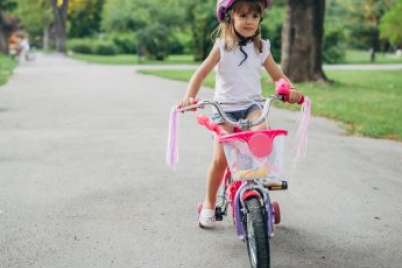
We have fond childhood memories of biking around the neighbourhood. Once your child knows how to ride a bike, there are different ways they can test out their skills. As a family, you could visit a pump track or rent fat bikes for a day. (Fat biking is especially fun in snow!)
3. Nature photography
Nature photography gets your child outside, traipsing around and observing their environment. Here are some tips from National Geographic Kids for how to capture images of wildlife, plus some fun nature photography projects your child can take on!
4. Parkour
Parkour gets kids outside (or having fun indoors in a gym), interacting with obstacles around them—for instance, running, jumping, and climbing. The video below shows parkour in action.
5. Hiking
This is such an easily accessible way to be active outside! Here are some tips for hiking with your toddler, plus some great benefits of hiking as a family.
6. Theatre or improv
These may seem unexpected, but both theatre and improv can help develop physical literacy. As kids move around a stage, they learn more about their bodies! Learn more about theatre for babies here and how to get your child involved in improv here.
7. Yoga
Just as yoga is wonderful adults, yoga has so many benefits for kids! It can help them build mind-body awareness, develop resilience, improve mood, and help them sleep. To get started, check out one of the many kids yoga videos on YouTube.
8. Circus school
Circus school is such a blast! From acrobatics and juggling to, it encourages kids to develop movement skills, build confidence, and work as a team.
9. Geocaching
Similar to nature photography, geocaching is a wonderful hobby that’ll get your family into the great outdoors.
10. Climbing trees
This activity develops kids’ strength, motor skills, and cognitive skills—and it has a host of other benefits. Climbing trees is a form of risky play, a type of play that’s excellent for child development. Learn more about how to encourage your child to engage in risky play here.
Bonus suggestion: Dance is also amazing for kids, but we didn’t put it on the list because we consider it a sport as well as an art. But if your child isn’t interested in team sports, they may love hip hop, jazz, or ballet.
Key takeaways
When looking for activities for your children, be creative and follow their lead. With enough space and time, they’ll show you how they love to move. For example, if your child is climbing the walls at home, it may be time to check out the local climbing gym.
Have other great ideas to share about how to develop physical literacy without sports? We’d love to hear them in the comments below.
Editor’s note: This article was published on March 23, 2017.




This is a great reminder that physical literacy is about much more than organized sports. Kids can build confidence, coordination and movement skills through hiking, biking, dancing, yoga, nature activities and creative games. I especially like the idea of following a child’s interests rather than pressuring them into a particular sport. Fun, age appropriate activities can make movement feel natural and enjoyable. For more fun ideas that encourage kids to be active and engaged, check out www.gamevibekids.com/kids-party-games/
The Genius of Play [thegeniusofplay.org] is a nonprofit initiative dedicated to promoting the importance of play in children’s learning and development. In the effort to drive positive engagement and build affinity for child’s play among parents we have developed a website with contributions from a variety of experts that all write about play topics in line with their expertise. We strive to create messages that hit an emotional core and will be embraced by our audience. We feature psychologists, pediatricians, speech and learning therapists, child development experts, toy industry experts and more.
We would like to re-promote your articles on our Expert Advice page – please contact me directly to continue this conversation/opportunity. Thank you.
I’m owner/ director of a learning center in pa I a am interest receiving information.
Thank you
Melody
You are discussing team sports. Nor individual sports. One can enjoy an individual sport without competing
There are lots of things that are sports that people wouldn’t think off, like synchronized skating, pickle ball, lawn bowling or dragon boat. Some people might consider skiing and skateboarding sports but others wouldn’t. Scouts, guides or similar organizations are a good choice. My son’s group plays a lot of physical games, and goes skating, climbing, and canoeing. Marching bands exist in some cities even for school aged children. Horseback riding and sailing are a nice choices for those that have the means (again these are arguably sports.) Weightlifting is a bit tricky, because kids need to be taught proper movement without being made to feel like they need to lift heavy or do multiple sets, but as long as there is no pressure and light weights, it isn’t a bad things for kids in small amounts. Sometimes we just pop in a good ol’ exercise DVD. Also, there’s chores like mopping, raking leaves, walking dogs, shovelling snow, washing walls etc. A push lawnmower will help anyone stay fit.