Toddler activities: The complete guide to active play for ages 1-3
Toddlers are natural explorers who learn about the world through movement. Between the ages of one and three, children are developing foundational physical skills such as walking, climbing, and running. These early experiences shape how confident they feel using their bodies later in childhood.
Active play is especially important during these early years. According to the Canadian Society for Exercise Physiology’s 24-Hour Movement Guidelines for the Early Years, children aged one to four should get at least 180 minutes of physical activity spread throughout the day, including energetic play.
For toddlers, physical activity doesn’t mean organized sports, and it doesn’t even have to include structured activities. It simply means having opportunities to move, explore, and play. Everyday games, time outdoors, and playful activities with parents and friends all help children build coordination, balance, and confidence—the foundation of physical literacy.
This guide explores toddler activities for many situations, including indoor play, outdoor exploration, family games, travel ideas, and seasonal activities.

What are some quick toddler activity ideas?
If you’re looking for simple ways to keep your toddler moving today, try a few of these easy activities:
- Build a pillow obstacle course in the living room
- Play Follow the Leader with silly movements
- Roll or kick a ball back and forth
- Dance together to music
- Go on a short nature walk and collect leaves or sticks
- Create a scavenger hunt around the house
- Scoop and dig in sand or dirt outdoors
- Play simple chase games at the park
These activities help toddlers practice important movement skills like balance, coordination, and running while keeping play simple and fun.

Supporting Articles
Why does active play matter for toddlers?
Movement is one of the primary ways toddlers learn. As children experiment with new ways to move, they develop the physical and cognitive skills needed to navigate their environment.
During the toddler years, children begin mastering fundamental movement skills such as running, climbing, balancing, and throwing. These abilities develop through repeated practice during everyday play rather than through formal instruction.
Active play supports development in several important ways:
- It strengthens muscles, bones, and coordination.
- It supports brain development through exploration and problem-solving.
- It helps toddlers build confidence in their ability to move and try new challenges.
- It encourages healthy habits that support lifelong physical activity.

Supporting Articles
What are the best indoor activities for toddlers?
Indoor play might be necessary during extremely cold weather, on rainy days, or when family schedules are very busy. Fortunately, our homes provide many opportunities for movement when parents use space creatively.
A living room can become a simple obstacle course using pillows or cushions. Hallways can be used for playing hockey mini-sticks, (somewhat careful) races, or rolling balls back and forth. Music and dancing can quickly turn an ordinary afternoon into an energetic movement break.
The goal isn’t to organize elaborate activities but to create opportunities for toddlers to move naturally and experiment with their bodies.

How do we build toddler movement skills?
Games are one of the most effective ways to help toddlers develop movement skills – while they have fun with their parent or caregiver.
Simple games can encourage important abilities like balance, coordination, and reaction time. For example, chasing bubbles encourages running and reaching, while rolling a ball back and forth helps toddlers practice timing and control.
Many parents find that toddlers learn best through playful imitation. When adults demonstrate movements or participate in games, children are eager to copy what they see.
Some classic movement games that work well for toddlers include:
- Follow the Leader with simple movements such as marching or hopping
- Rolling or kicking balls across the floor
- Gentle chase games in open spaces
- Tossing beanbags or soft toys into baskets
Supporting Articles
Activities parents can do with toddlers
Toddlers often want to participate in whatever adults are doing. Inviting them to help with our everyday tasks gives children meaningful opportunities to move and learn.
Simple household activities such as gardening, cooking, or carrying small objects help toddlers practice lifting, balancing, walking, and coordination. These experiences also help children feel included and capable.
Parents can adapt many of their own hobbies to include toddlers. Hiking can become a slower exploration walk. Cooking can include stirring or carrying small items. Even cleaning can become a playful movement activity.

Seasonal activities for toddlers
Each season introduces new environments and movement opportunities for toddlers.
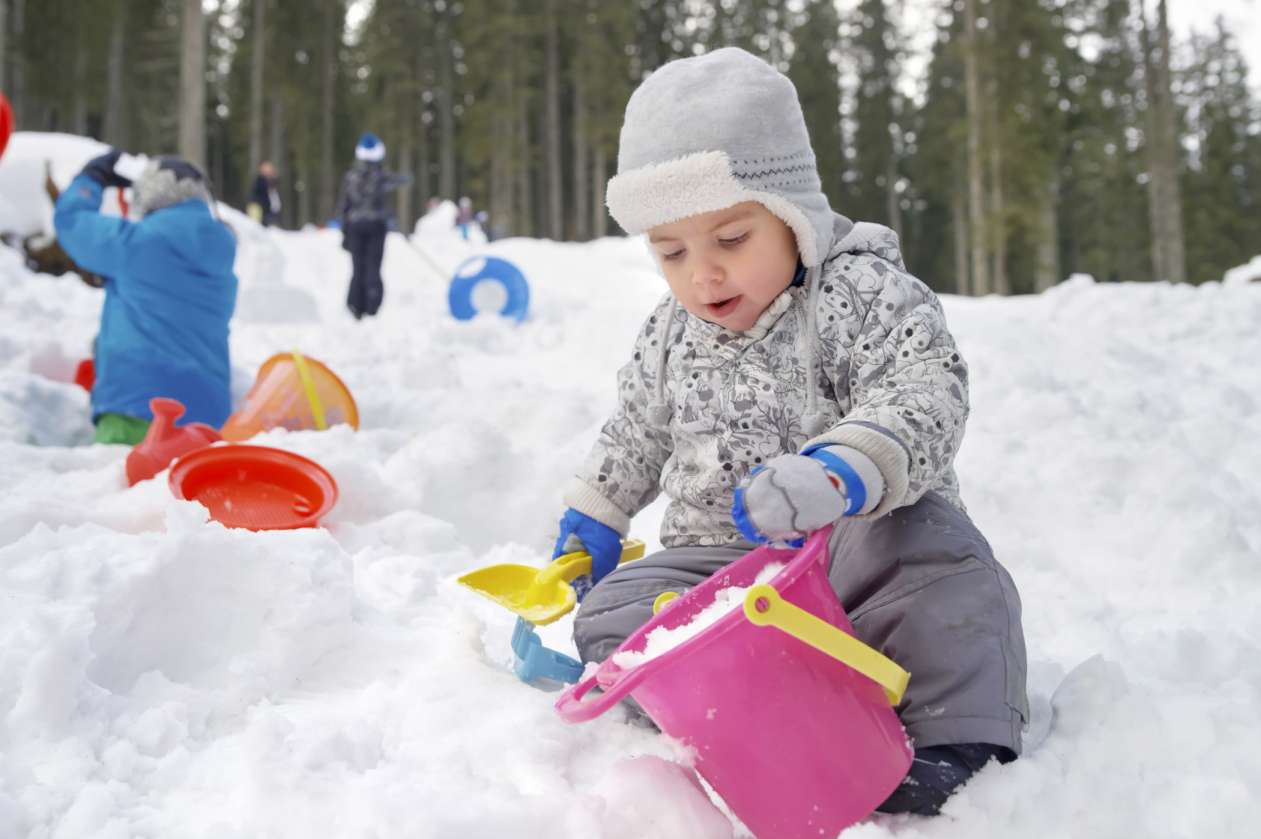
Winter encourages activities such as walking through snow, pulling sleds, and building snow structures. These experiences strengthen muscles and improve balance.
During warmer months, toddlers often spend more time exploring playgrounds, parks, and outdoor spaces. Running on grass, digging in sand, and playing with water all provide valuable movement experiences.
Seasonal variety keeps play exciting while helping toddlers develop adaptable movement skills.
Travel activities for toddlers
Travelling with toddlers can be challenging because they have a natural need to move frequently. Long periods of sitting on airplanes or in cars can quickly lead to boredom and restlessness.
Planning simple movement-friendly activities can make travel much smoother. Walking breaks, playful stretching, or small games during airport waits and rest stops help toddlers release energy and stay engaged.
Parents often find success with simple travel activities such as storytelling, scavenger hunts, or playful observation games during trips.

Supporting Articles
Toddler movement milestones
Children develop movement skills at different speeds, but many toddlers begin experimenting with new abilities between the ages of one and three.
During this stage, children often begin developing skills such as:
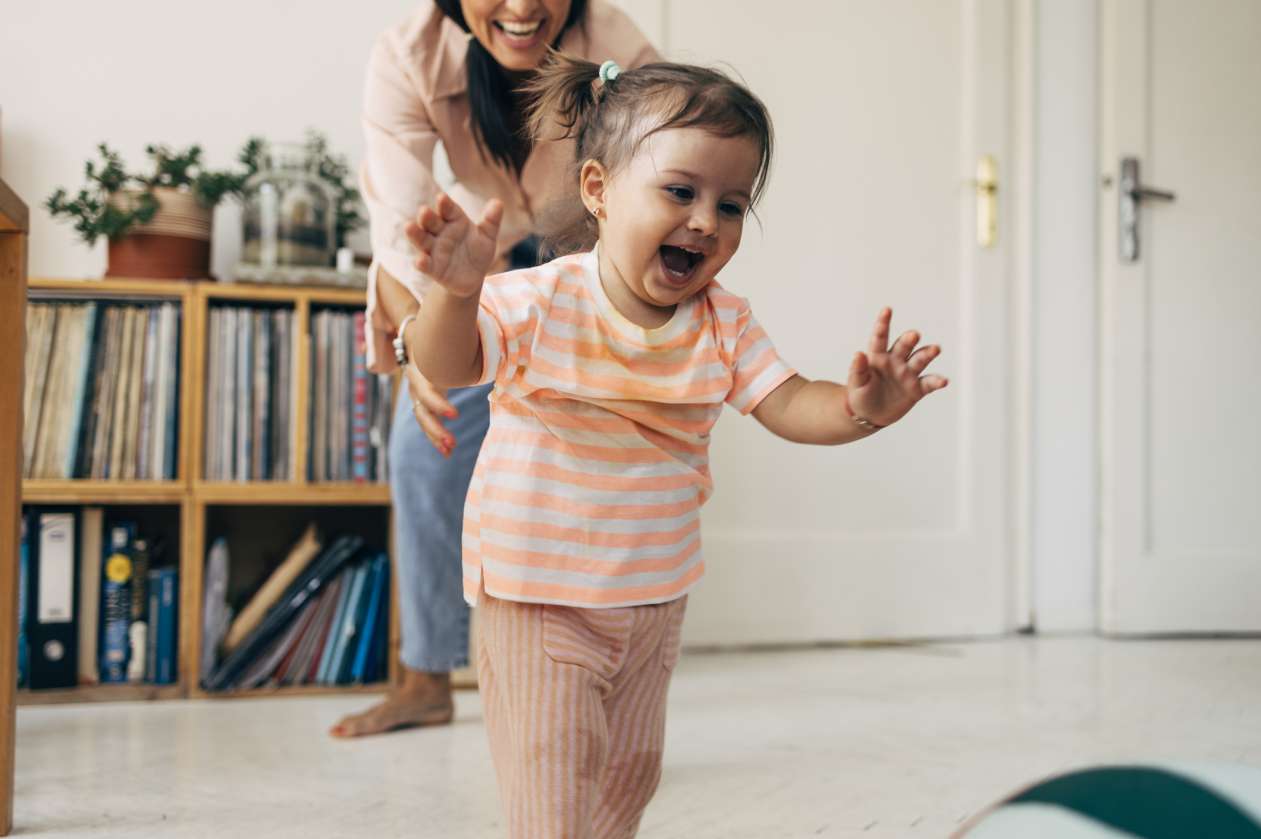
- running with increasing control
- climbing stairs with assistance
- kicking or rolling balls
- attempting small jumps
- balancing briefly on one foot
Parents often wonder when toddlers typically start running. As toddlers grow more confident, they may also begin experimenting with early bike riding using balance bikes.
Montessori and learning through play
Some families enjoy incorporating Montessori principles into toddler play. Montessori-inspired activities emphasize independence, hands-on exploration, and purposeful movement.
These activities often use everyday objects rather than specialized toys. Children might practice carrying objects, pouring water, sorting materials, or exploring different textures.
These experiences help develop coordination while also encouraging concentration and independence.

Creating a healthy play environment for toddlers
The most important ingredient in toddler play is opportunity. Children benefit from safe spaces where they can explore movement freely and try new challenges.
Not every activity needs to be planned or structured. Many of the most valuable learning experiences happen when toddlers invent their own games and experiment with movement during everyday play.
By encouraging exploration, allowing manageable challenges, and providing time for daily active play, parents help toddlers build the confidence and skills that support a lifetime of healthy movement.

Frequently asked questions about toddler activities
How much physical activity do toddlers need each day?
According to the Canadian Society for Exercise Physiology’s 24-Hour Movement Guidelines for the Early Years, toddlers aged one to four should get at least 180 minutes of physical activity spread throughout the day. This activity can include a mix of light play, active movement, and energetic play such as running or climbing.
The good news for parents is that toddlers naturally move frequently throughout the day when they’re given opportunities to explore and play. Active time doesn’t need to happen all at once. Short bursts of play—both indoors and outdoors—can add up quickly.
Providing safe spaces to climb, run, and explore helps toddlers meet these daily movement recommendations.
How do I keep my toddler busy at home?
Toddlers stay engaged when activities allow them to move, explore, and imitate what adults are doing. Everyday household spaces can easily become playful movement environments.
Simple activities that often work well include building small obstacle courses with cushions, dancing to music, rolling balls across the floor, or inviting toddlers to help with simple tasks like carrying laundry or putting toys away.
Parents looking for more ideas can explore: 50 family evening activities with toddlers: Ideas for all budgets + energy levels
Keeping activities simple and playful usually works better than trying to organize complex games.
What are good indoor activities for toddlers?
Indoor toddler activities should encourage movement while remaining safe and easy to set up. Many parents find success with activities that allow toddlers to crawl, climb, balance, or throw soft objects. Dancing to music, creating simple obstacle courses, or playing Follow the Leader are all excellent indoor options.
For more indoor ideas designed specifically for active toddlers, see: 6 fun household hacks for active toddlers
Why is outdoor play important for toddlers?
Outdoor play gives toddlers more space to explore movement and interact with natural environments. Uneven surfaces such as grass, sand, and dirt challenge balance and coordination in ways that smooth indoor floors can’t.
Outdoor environments also encourage curiosity and problem-solving. Climbing playground structures, digging in sand, or exploring trails helps toddlers develop confidence while practicing new movement skills.
Parents can learn more about outdoor play here: Risky play is for toddlers too
What movement skills should toddlers learn?
During the toddler years, children gradually develop foundational movement skills that support future physical activity.
These early skills include running, climbing, kicking, balancing, and jumping. Each child develops these abilities at their own pace; the best way to support them is through frequent opportunities for active play.
Parents curious about one common milestone can learn more here: When should your toddler start running?
Encouragement, patience, and plenty of play time help toddlers build these skills naturally.