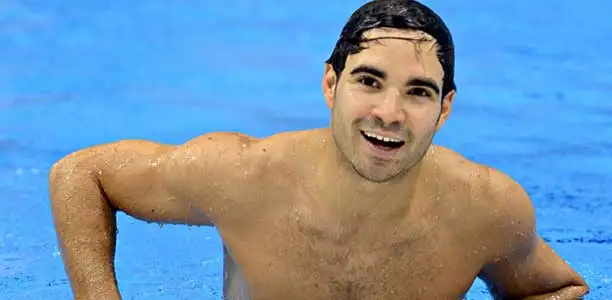
Canadian star diver Alexandre Despatie retires
His 22-year career included three world championships
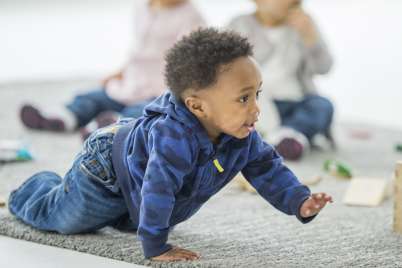
How to help your infant develop movement skills
Beyond sleeping, eating, and cognitive development, babies need to move, too

Help your infant develop movement skills: 0-3 months
Tummy time, reaching, and grasping are all skills that can be developed at this stage

Help your infant develop movement skills: 4-6 months
Rolling, crawling and climbing are common activities to encourage at this stage

Help your infant develop movement skills: 7-9 months
Help your child to develop their non-dominant hand at this age

Help your infant develop movement skills: 10-12 months
It’s time to encourage safely crawling up stairs, balance skills, and playing

One thing I want for our son: physical literacy
Developing physical literacy is more important to being active than genetics

Specializing in sport can be harmful to young athletes
Sampling a variety of sports early leads to the development of physical literacy

When is my child old enough for organized sports?
Most kids often do better to wait until age six, seven or even eight

Physical literacy checklists
Here are four checklists to help you target the basic movement skills that your child should be developing at different ages, including suggestions on how to get them moving.

Physical literacy checklist: 6-9 years
From gymnastics to skating, these sport skills will help your child develop physical literacy

Physical literacy checklist: 4-6 years
These fundamental movement skills will help your preschool child become physically literate

Physical literacy checklist: 2-4 years
Six fundamental movement skills that will help toddlers become physically literate

Physical literacy checklist: 0-2 years
Explore these basic fundamental movement skills to help your infant become physically literate

These Calgary kids don’t let winter stop them from biking to school
Riding in the snow helps them gain independence, confidence, and even status

Study: Exercise before school improves attentiveness in class
Walking or biking to school can help kids concentrate better

If you’re raising a child athlete, think long-term
Developing physical literacy optimizes both lifelong physical activity and athlete development

9 ways to tell if your child is physically literate + free printable
Physical literacy is when kids have developed the skills, confidence, and love of movement to be active for life. Here are some simple ways you can gauge the state of your child’s physical literacy.

23 and 1/2 hours video: What is the single best thing we can do for our health?
Just 20 to 30 minutes of physical activity per day offers innumerable health benefits

Getting creative was key to helping my autistic child be active
Yet fitness a proven strategy to help thwart the negative behaviours associated with the condition

Celebrating hearts on Valentine’s Day
We’re going to have a family dance party to keep our biological hearts healthy

Resources for parents
Children develop physical literacy by learning a wide variety of fundamental movement skills that allow them to enjoy many different physical activities and sports. Without physical literacy, they are less likely to stay active for life. Here are some ways you can support your child to become more physically literate. If you are an educator, … Continued
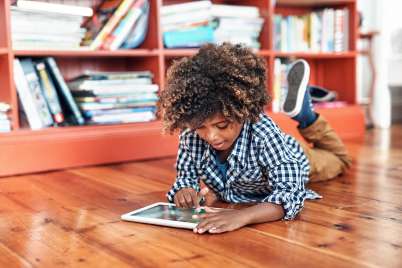
The Unplugged Club: How to manage screen time
Tips on how to ration the amount of time children spend with TV, games and the Internet

My family ventures onto the ice for a New Year’s Day skate
Diversity, as opposed to specialization, is demonstrably beneficial in developing physical literacy
Load more