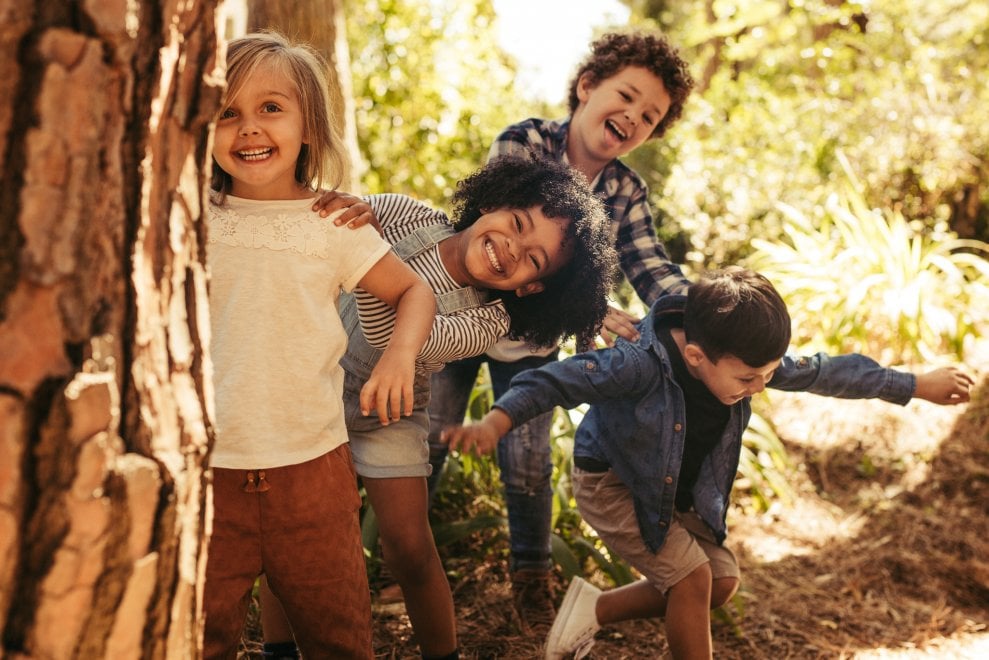

Is it time for pediatricians to prescribe physical activity?
Few kids today meet the recommended guidelines for daily physical activity. Here’s what we can do about it.

How educators can use the APPLE Model
The model helps early childhood educators incorporate activities that will encourage young children to develop physical literacy.
Inspire active, creative free play with natural playgrounds
In contrast to typical metal or plastic play structures, natural playgrounds are designed to take advantage of landscaping and organic materials.
15 signs that your child is physically literate
One key indicator is showing confidence while attempting new activities

No stroller potatoes! Why babies need active play every day
It’s important that we offer babies lots of time to move their bodies freely, unrestrained by car seats, swings, or bouncy chairs. Learn why.

Why it’s important that kids develop physical literacy
New research highlights the importance of fundamental movement skills, and shows why some kids gravitate towards sedentary activities.

Movement and learning: How does that work?
Some schools and early childhood centres are using movement-based instruction to help kids learn better while promoting their development.
Why parents should be mindful of their own screen time
Managing screen time isn’t just something parents need to do for their kids. It’s also something we need to do for ourselves.
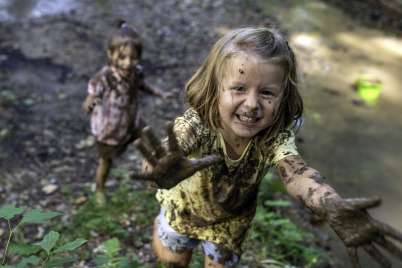
Why natural playgrounds are essential for young children
These spaces offer valuable opportunities for the development of physical literacy and for experimentation.
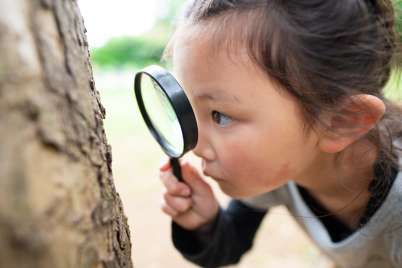
Play centres offer ideas for kids to play their own way
For many children in early-years programs, learning happens at play centres—themed play areas with a specific focus. Here’s how to create simple play centres at home.

Best of 2019: The top 10 articles of the year on Active for Life
As we move towards a new year, here are our 10 most popular articles of 2019 (plus five of our personal favourites).
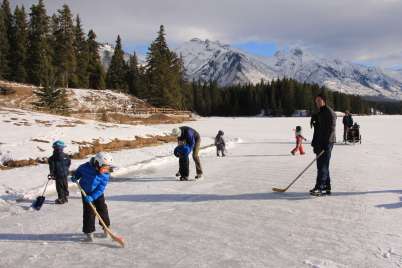
5 games to help young children learn to skate
These simple skating games will help kids gain balance and coordination while they have fun on the ice.

Is competition in sports healthy for kids?
Many parents have asked me if I think competition is healthy for kids. Is it healthy? Is it “toxic”? Does it diminish self-confidence?
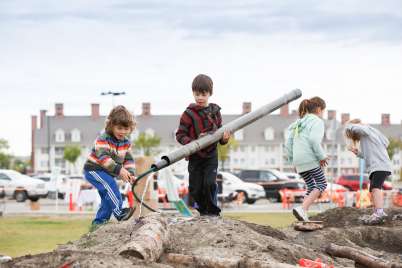
Why kids need to play with mud, tires, fire, and junk
The Vivo Play Project gives kids the opportunity to let loose, play freely, and get dirty.
StoryWalk inspires families to get outside and read
StoryWalk combines storytelling and physical activity by placing laminated pages from picture books in public places.
Why free play outside should be a part of every PE program
Physical education doesn’t just happen in a gymnasium. I’m a big proponent of active free play outside during physical education (PE) class. In my PE classes, I plan for quite a lot of it when the weather allows. There are so many benefits of free play outside that cannot be replicated in the gymnasium. In most … Continued

Active for Life continues to study preschool physical literacy programming
Thanks to funding from the federal government, the Early Years Physical Literacy Research Team will move on to phase two.
If in doubt, let them out: Kids have a right to play
November 20 marks the 30th anniversary of the United Nations Convention on the Rights of the Child.

Infographic: Be a “lifeguard parent”
Here’s how parents can know when to intervene in their children’s risky play, and how to help facilitate acceptable risk.
Teachers: Take your kids outside (yes, during class time!)
A growing number of teachers are now starting to look for ways to encourage kids to move more during class time, including taking their classes outdoors.

APPLE Model helps early childhood educators incorporate physical literacy
The model was developed as a framework to help ECEs understand how to incorporate physical literacy into their playrooms and playgrounds.

Local athlete excelling thanks to multisport background
Caleigh MacPherson, a soccer player for the Cape Breton University (CBU) Capers, fell in love with the sport from a very young age. She was just four years old when she first started playing soccer, but she said the fact that she spent time spent playing other sports too is what helped her become the high-performing athlete … Continued

Disc golf: An active experience for all ages in CBRM
Have you heard of disc golf? If you’re looking for a fun way to stay active and get outdoors this fall, then why not give it a try? Disc golf is an intergenerational sport where participants try to throw special flying discs or Frisbees into an above-ground target. The sport is based on the rules of golf, but instead of … Continued

Film review: “The Cost of Winning” addresses problems in youth sport culture
From early specialization to costly programs to hyper-competition, this documentary tells its story through the voices of people directly involved: parents, coaches, and teachers.
Load more