
What youth sports need now
I’m extremely proud of the fact that I might be the worst athlete to ever have their name called by the Alberta Sports Hall of Fame.
In 2019, I received the Bell Memorial Award for my work in sports media, not athletic achievement. I never played elite or travel sports. Back when levels were marked by letters, I was usually a C or D level player. And I loved it.
That love of sport carried me into a 25-year career in sports media. Sport gave me stories, friendships, community, and a way to stay connected to something bigger than myself. That’s why I worry about where youth sport has gone.
Somewhere along the way, revenue generation jumped ahead of the player experience. We started chasing the elite dream earlier and harder, and forgot what sport is supposed to give kids.
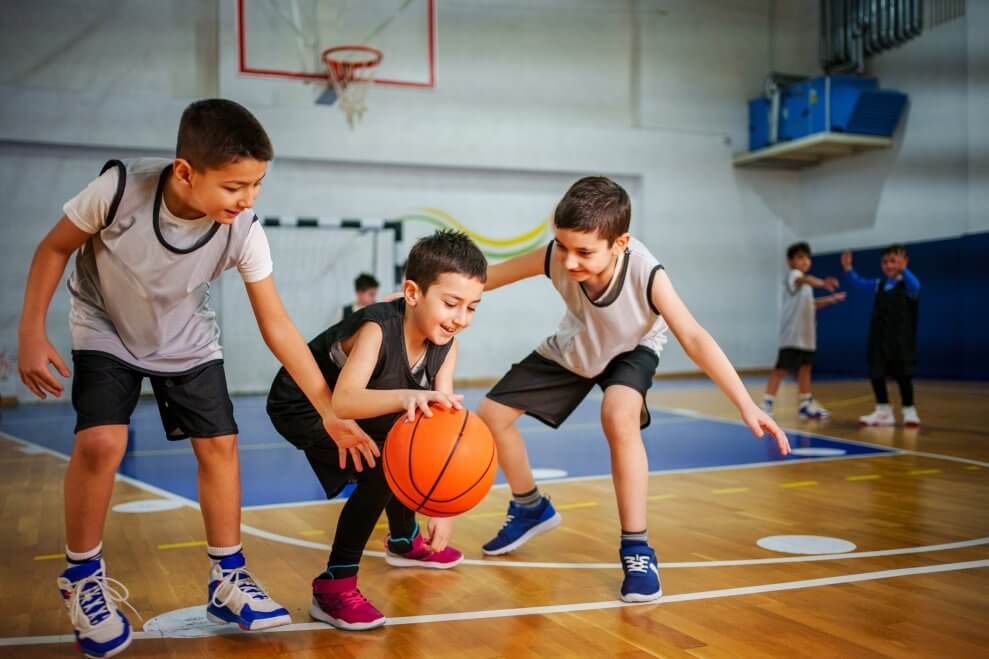
The purpose of sports in kids’ lives
Sport is not going to be a career for most children. It’s where they learn to compete, lose, try again, support teammates, handle disappointment, show respect, and have fun. In our rush to create elite athletes, we’re treating too many kids like mini professionals. We sort them, stream them, specialize them, rank them, and pressure them before they have had the chance to fall in love with the game. Then we act surprised when they quit.
I don’t believe that kids suddenly stop liking sport in their early teens. I think too many of them stop liking what adults have turned sport into: a competitive, serious, and pressure-filled pursuit. They need more fun. They need more belonging. They need room to be kids. I also don’t buy the idea that every future elite athlete must be identified and specialized early. The best athletes will be found.
During my sports media career, I spent time with high-level athletes. Early on, many of the best were multi-sport athletes who loved playing. Over time, pressure came sooner and youth sport became bigger business. By the end of my career, I met more athletes who saw sport as a means to an end.
Most kids are not going to play professionally. Most are not going to get a scholarship. But every kid can take something from sport if their experience is protected. The problem is that we keep building systems around the dream of the few instead of protecting the experience of the many.
Ask adults what they remember from youth sport. Most don’t remember the scores. They remember mini sticks in a hotel lobby, music in the dressing room, laughing with teammates, and the people who made them feel included. They remember how sport made them feel.
What role do coaches play?
Coaches need support to make sport fun and enjoyable. Not every practice needs to feel like a tryout, and not every game needs to be treated like a championship. Skill development, competition, and standards all matter, but none of them require us to squeeze the joy out of the game.
Coaches also need room to coach the whole child, not just the athlete. They need permission to care about effort, attitude, confidence, respect, teamwork, and enjoyment, even when those things don’t show up on a scoresheet. When every decision is judged only by wins, losses, rankings, or who gets moved up, coaches get pushed toward the wrong priorities.
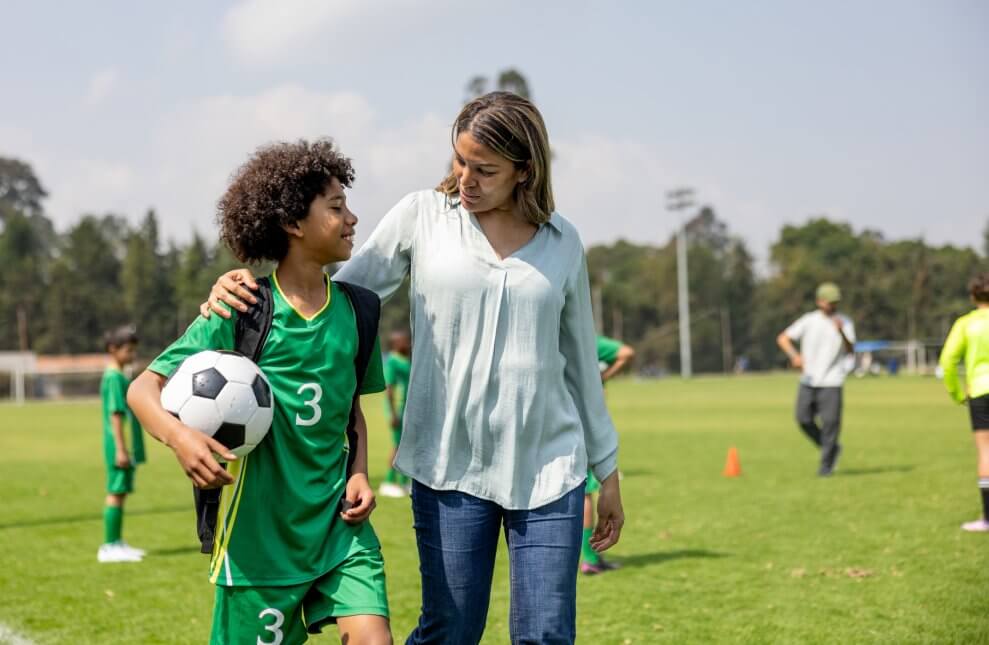
And what about parents?
Parents need support too. Most are trying to do the right thing for their kids. But costs, travel, comparisons, and fear of falling behind can pull adults in the wrong direction.
That is when we need to step back and ask a simple question: Is this still good for my kid?
There may not be a more powerful conversation in youth sport than what takes place during the ride home. That ride can make a child feel loved and supported or make them feel like the game was a performance review.
Sport is fun, and sometimes as parents we forget that. Not every ride home needs to be a coaching session or a breakdown of what went wrong. There’s a time for feedback, but there’s also a time to simply tell your kids how proud you are of them and how much you enjoy watching them play.
How many kids hear, “I love watching you play!”
How many are asked, “Did you have fun?”
And how many get feedback before they even get their seatbelt on?
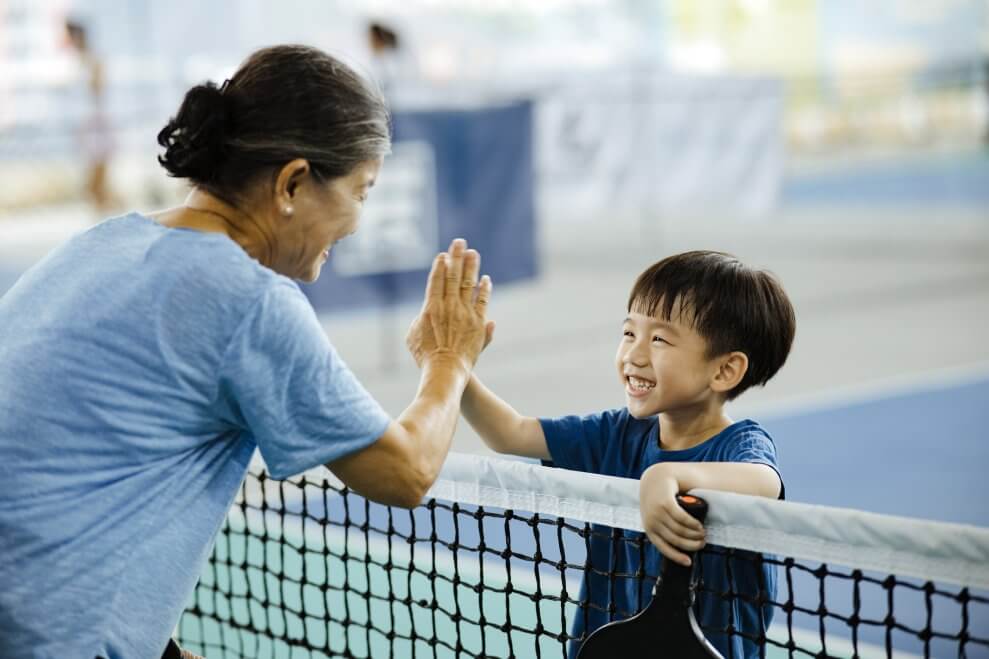
What we need to emphasize in youth sports
Youth sport needs fewer adults acting like scouts and more adults acting like parents, coaches, neighbours, and community members who understand how powerful the experience can be. We need to get back to the idea that sport is for life. Not just for the elite. Not just for the kids who make the top team at 10 years old. For all children.
If youth sport creates some elite athletes along the way, great. But the bigger goal should be better humans: kids who are good teammates, handle winning and losing well, respect people, and stay active because sport felt like something that belonged to them.
That’s what kids’ sport needs now: More fun. More belonging. More room for kids to be kids. And a lot more adults remembering what the game is really about.


